
Reviewed · FISHING
Lofoten: Traditional Fishing Trip
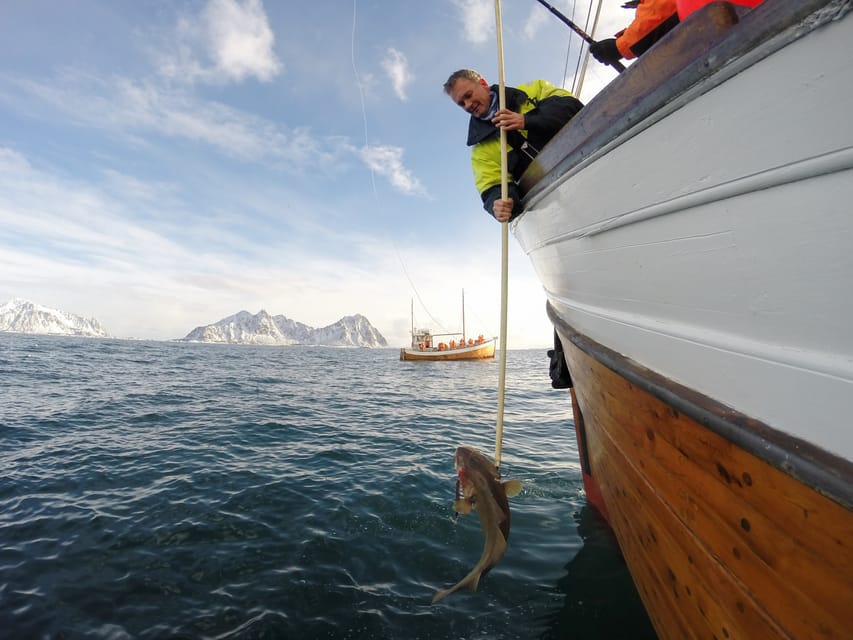
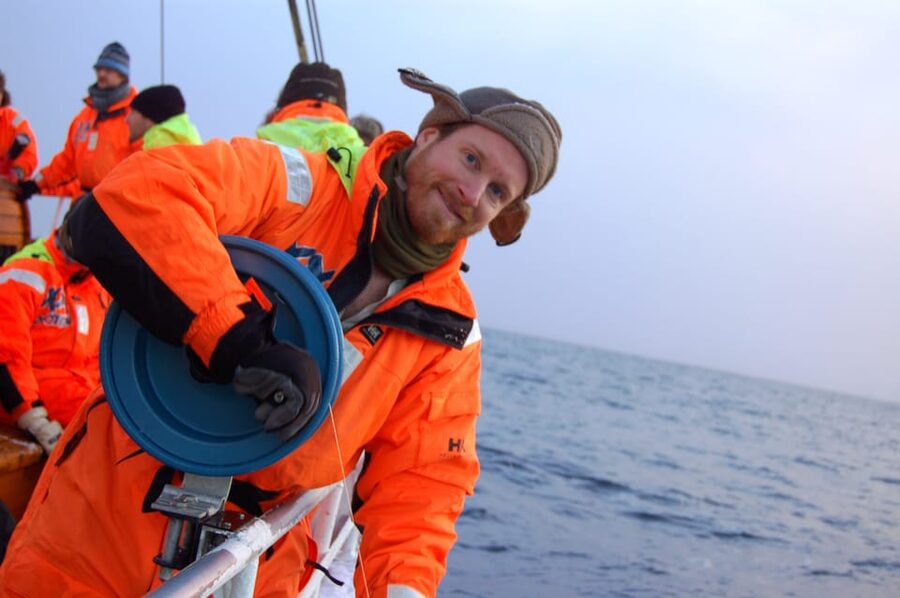
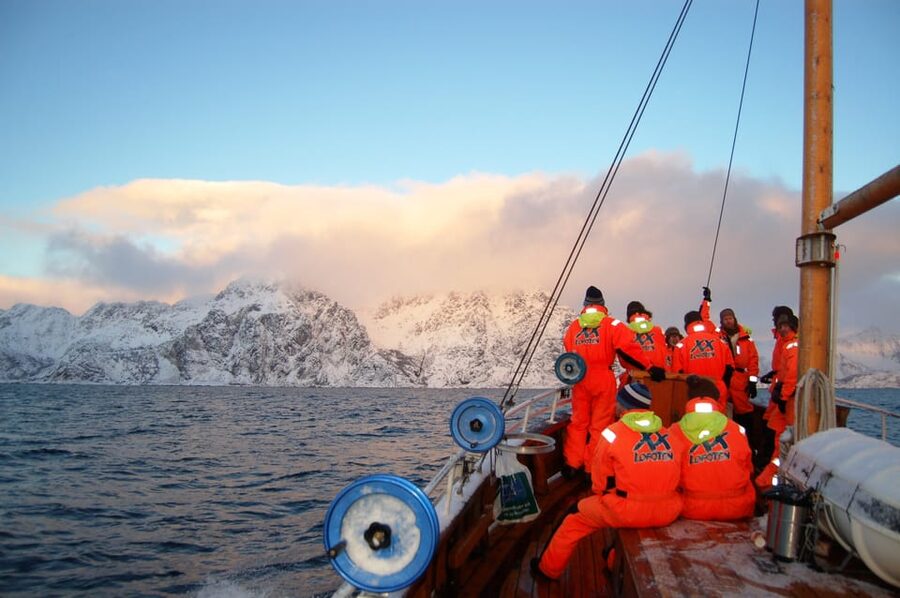
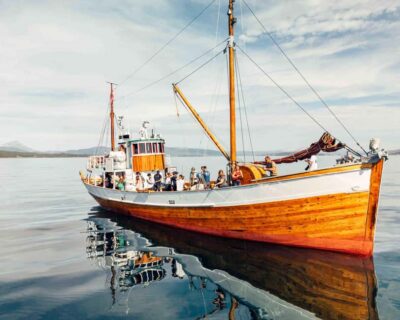
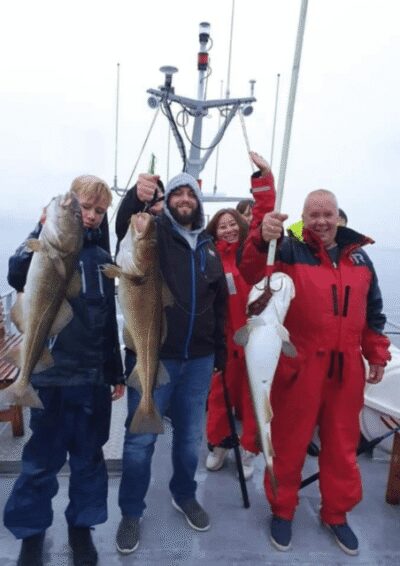
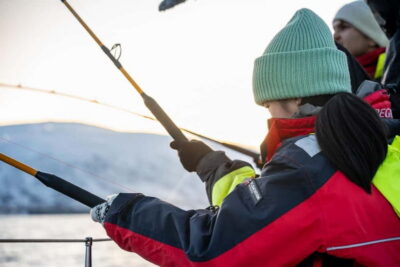
Lofoten’s traditional fishing trip puts you to work at sea. Aboard the MS Symra, you use a line wheel rather than simply watching a crew haul in nets. Depending on the season, your catch could be skrei, mackerel, coalfish, haddock, coastal cod, or plain old pollock.
I like the hands-on fishing and the small group of no more than 10 people. I also like that the crew shows you how to fillet the fish, turning a short boat ride into a useful lesson about Lofoten’s working culture. The main drawback is simple: fish are not guaranteed. One October outing produced only pollock, while another August trip brought in large fish and plenty of fun.
Key points to know
- Fish with a traditional line wheel: You take an active role instead of sitting back with a rod.
- Ten fishing stations: You share a station with another person, which keeps the group small but means you do not get a private setup.
- Catch varies by season: Skrei, mackerel, coalfish, haddock, coastal cod, and pollock are all possible.
- Learn to fillet your catch: You can take your fish home if you want it.
- Four hours on the water: The trip gives you time to fish, hear local stories, and enjoy the setting without taking a full day.
- Warm clothing matters: The boat runs in rain or shine, and boots are available to rent on site.
Fishing the Lofoten way aboard MS Symra
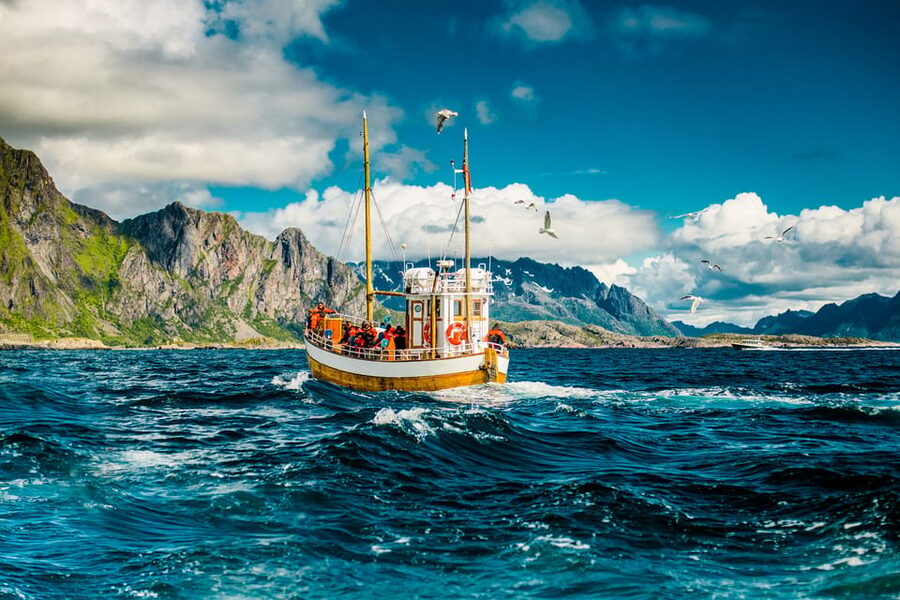
The special part of this outing is the boat and the method. You join the MS Symra, a traditional fishing vessel, and use the kind of line wheel associated with local commercial fishing rather than treating the trip as a standard sightseeing cruise.
That choice gives the activity a clear sense of place. Lofoten is not just a pretty collection of islands. Fishing has shaped its work, food, villages, and seasonal rhythms for generations. Four hours on a working-style vessel gives you a small taste of that world.
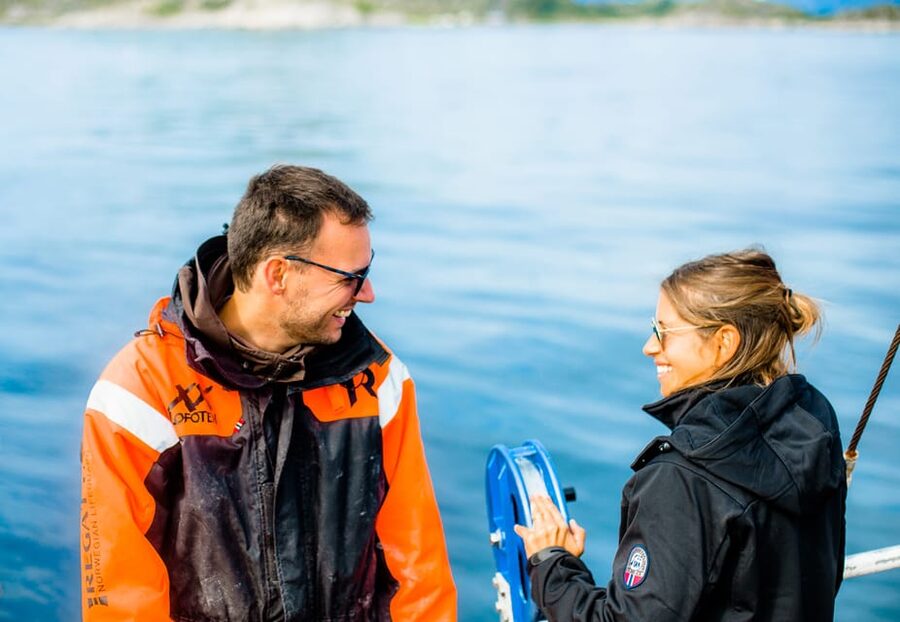
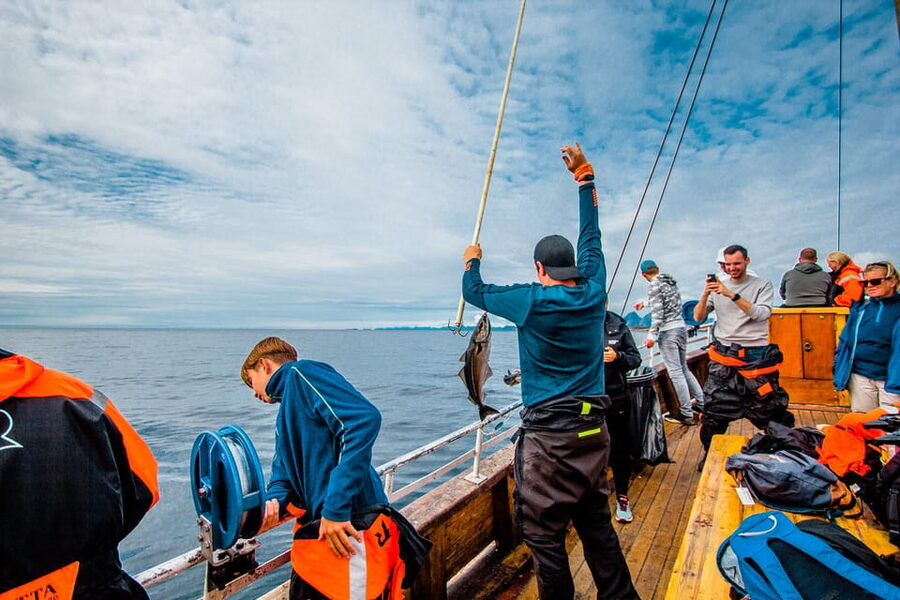
The crew begins with a short introduction to the equipment. You learn how the fishing tools work before heading to one of the 10 stations. Since two people share each station, you should expect to take turns and cooperate with the person beside you.
I see that shared arrangement as a fair trade. You do not get a private fishing guide, but the small group keeps the experience more personal than a large boat excursion. It also gives you someone to talk with while you wait for a bite.
No previous fishing experience is needed. The crew provides professional guidance throughout the trip, so you are not expected to know how to set up the gear or handle a fish before you arrive.
A few more Svolvaer half-days to weigh up
- From Svolvær: Lofoten Islands Silent Trollfjord Cruise
★ 4.8 · 2,979 reviews - From Svolvaer: Lofoten Fishing Boat Cruise
★ 4.7 · 621 reviews - From Svolvær: Lofoten RIB Sea Eagle Safari Trollfjord Cruise
★ 4.9 · 591 reviews
What the four-hour trip feels like
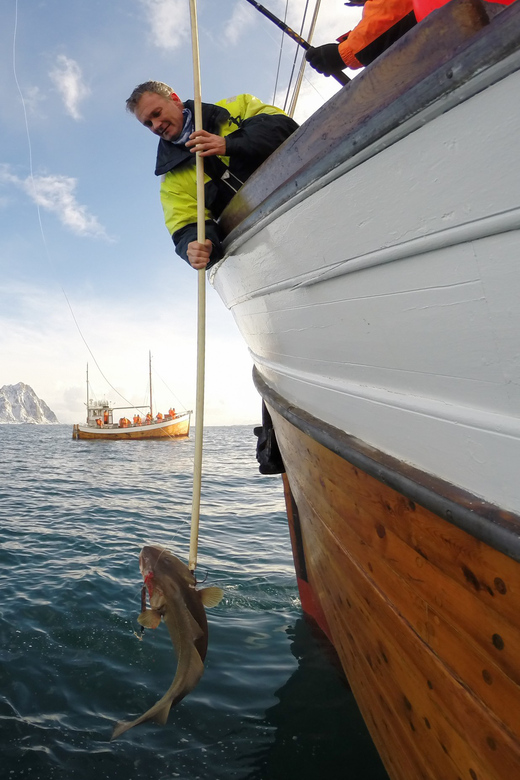
The trip has a clear rhythm. First comes the equipment briefing and basic safety information. Then you settle into your fishing station and follow the crew’s instructions as you work the line.
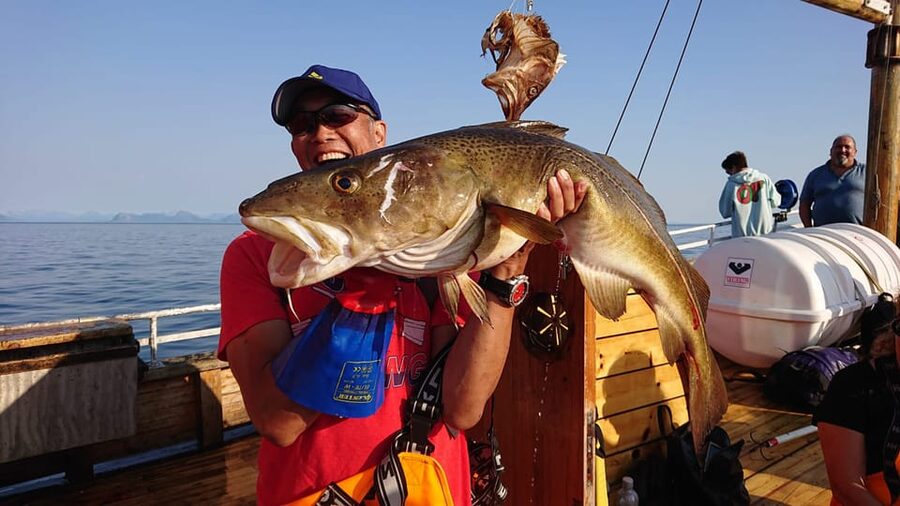
The fishing itself is the unpredictable part. The activity can produce skrei, mackerel, coalfish, haddock, coastal cod, or pollock, with the season affecting what is most likely. You may pull up a satisfying catch, or you may spend much of the time waiting.
That uncertainty is worth facing honestly. A successful day can bring big fish and a strong sense of achievement. An unsuccessful one can still give you time at sea and a closer look at local fishing methods, but it may feel thin if catching fish is your only goal.
A German participant on an October trip caught only pollock throughout the outing. That does not mean your result will be the same, but it shows why you should book this as a fishing experience, not as a guaranteed seafood order.
An August trip produced large fish and was described as a particularly enjoyable day. The contrast between those two outings tells you more than any promise could: conditions, timing, and luck matter.
The crew also shares stories and anecdotes about Lofotfisket, the traditional seasonal fishing activity that has long been central to life in the islands. The amount of commentary may vary with the crew and the day. One outing was criticized for having little explanation, especially when nobody caught anything, so I would not book this solely for a long cultural lecture.
The catch, the filleting lesson, and taking fish home
Once you have caught fish, the experience shifts from pulling lines to handling food. The crew teaches you how to fillet the catch on board. This is one of the most useful parts of the trip because it connects the fishing itself with what happens next in a Norwegian kitchen.
You do not have to take the fish home. If you want to keep it, you are welcome to do so. The supplied information does not specify packaging or transport arrangements, so ask the crew on the day how your catch will be handed over and how it should be kept afterward.
The filleting lesson also helps if you have never handled a whole fish. You get a practical look at the work behind a meal, rather than seeing the catch disappear into a kitchen out of sight.
Food is not included. You are welcome to bring your own food, which is sensible on a four-hour outing. The supplied equipment covers the fishing kit and safety equipment, not lunch or snacks.
Why the small group matters
With a maximum of 10 participants, this is a notably compact boat experience. The 10 fishing stations mean the arrangement is likely one person per station, but the activity information says you will share with another participant. Plan on a shared working space rather than a dedicated station all to yourself.
The small group helps in two ways. You have a better chance of hearing the crew’s instructions, and you can ask for help without trying to attract attention across a crowded deck. It also makes the experience feel more like a working outing than a mass-market boat ride.
There is a limit to that advantage. A small group does not guarantee nonstop instruction. The crew needs to manage equipment, safety, fishing, and the boat itself. If you want constant historical commentary, this may not meet your expectations.
The instructors speak English and Norwegian. That makes the trip workable for international visitors, though the amount of storytelling can depend on the crew and the day.
More fishing trips from Svolvaer:
- Svolvær: Fishing Trip on the Lofoten Sea
★ 4.5 · 106 reviews - Tromsø’s Top-Rated Fjord & Fishing Cruise – All-Inclusive
★ 4.7 · 4,017 reviews - Tromsø: Arctic Fjord Cruise & Fishing Experience
★ 5.0 · 464 reviews - Tromsø: Fjord Fishing Cruise
★ 4.9 · 343 reviews
The weather is part of the deal
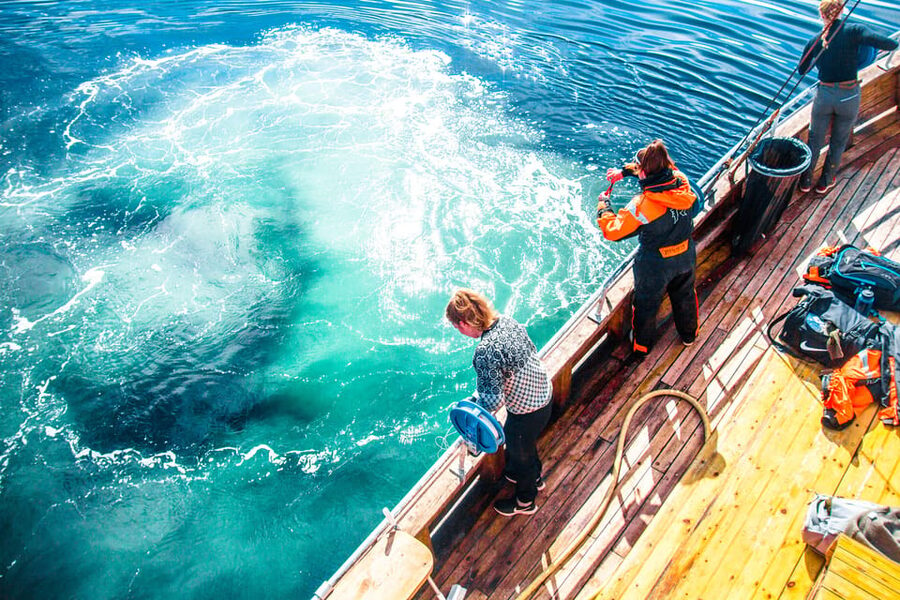
You need to dress for exposure. Warm clothing with thermal underlayers is specifically advised, and I would take that seriously even during a mild-looking day. On the water, wind and damp conditions can make a few hours feel much colder than the temperature on shore.
The trip operates in rain or shine, though poor weather can lead to changes or cancellation. That makes flexible planning useful. It also means you should not reserve this as the one fixed highlight of a tight schedule if missing it would disrupt everything else.
Boots are not included, but you can rent them on site. Warm layers are still your responsibility. The supplied information does not list gloves, hats, or waterproof clothing as included, so pack with the full range of wet and cold conditions in mind.
Pets are not allowed, although assistance dogs are permitted. The trip is not suitable for people with mobility impairments, and the activity information does not describe special access arrangements on board.
Is $146 a fair price?
At $146 per person, this is not a cheap way to spend four hours. The price makes more sense if you value the traditional vessel, fishing equipment, crew guidance, local stories, and filleting lesson as one combined experience.
You are also paying for a small group. Ten people is a different proposition from a packed sightseeing boat, especially when everyone needs access to fishing equipment and instruction.
The value depends heavily on your expectations. If you want guaranteed fish, a private station, or a meal included, the price may feel high. Food is extra, and your catch is never assured.
If you want to handle the gear, try a local fishing method, and connect a boat trip with Lofoten’s working culture, the cost is easier to justify. The chance to take your catch home adds value, but only if the day produces fish and you have a practical way to keep it.
The free cancellation policy allows you to cancel up to 24 hours in advance for a full refund. You can also reserve now and pay later, which helps when weather and other plans are still moving around.
Who will enjoy this fishing trip most?
I would recommend the MS Symra outing to adults, couples, families with suitable older children, and anyone who likes activities with a real task attached. You do not need to be an experienced angler. Curiosity and patience matter more.
It suits you especially well if you enjoy:
- Learning how local food is caught and prepared
- Spending time outside in changing weather
- Small group activities
- Traditional boats and working culture
- Taking home a personal catch
- Trying something different from a standard fjord cruise
It may be less suitable if you dislike cold, wet conditions or become frustrated when nature refuses to cooperate. People with mobility impairments should choose another activity because this trip is not considered suitable for them.
I would also think twice if your schedule is built around a specific guaranteed catch. Pollock may be the only fish you see, and some days may produce very little.
Practical ways to prepare
Wear thermal underlayers and warm clothing. You should think in layers rather than relying on one thick jacket, since the conditions may change during four hours at sea.
Rent boots on site if you do not have suitable footwear. Bring food and drinks because none are included, though you are welcome to bring your own provisions.
Leave room in your schedule for weather changes. The trip runs in rain or shine but can be changed or canceled if conditions require it. The reserve-now, pay-later option and cancellation up to 24 hours before departure give you some planning flexibility.
Do not expect a private fishing lesson. You share a station with another participant, and the crew divides attention among the group. That arrangement is part of the social nature of the trip.
Finally, decide in advance what you want to do with your catch. You can take it home if you wish, but the available information does not explain storage or packing. Ask the crew before leaving the boat.
My verdict on the MS Symra fishing experience
I like this trip because it gives you a job to do. You are not just looking at Lofoten from the rail. You handle fishing equipment, wait for a bite, learn how to fillet a fish, and hear about the island’s fishing life.
The strongest points are the traditional fishing vessel, compact group, and chance to take home your catch. The weak points are the high price, extra cost of food and boots, variable catch, and uneven amount of guiding reported across different outings.
Book it if you want a genuine, weather-dependent fishing activity and can accept that the sea decides the result. Skip it if you need guaranteed fish, warm indoor comfort, or a packed cultural program. For the right kind of visitor, this is one of the more distinctive ways to spend four hours in Lofoten.
FAQ
How long is the traditional fishing trip?
The activity lasts four hours.
Where does the fishing trip take place?
It takes place in Nordland County, Norway, in the Lofoten Islands area.
What boat is used for the experience?
You fish aboard the traditional MS Symra.
Do I need fishing experience?
No. Previous fishing experience is not required, and the crew provides guidance with the equipment and fishing method.
What fish might I catch?
Depending on the season, possible catches include skrei, mackerel, coalfish, haddock, coastal cod, and pollock.
Can I take my fish home?
Yes. After learning how to fillet the fish on board, you may take your catch home if you wish.
Is food included?
No. Food is not included, but you are welcome to bring your own food on the trip.
What should I wear?
Wear warm clothing, including thermal underlayers. Boots are not included but are available to rent on site.
Is the trip suitable for people with mobility impairments?
No. The activity is not considered suitable for people with mobility impairments. Pets are also not allowed, although assistance dogs are permitted.
Just added around Svolvaer
- From Svolvær: Whale Watching Day Trip to Andenes★ 3.8 · 27 reviews
- Lofoten Highlights Photo Tour – Henningsvær & Haukland★ 5.0 · 14 reviews
- Lofoten Winter Panoramic Tour★ 5.0 · 31 reviews
- Lofoten VIP PRIVATE tour from Svolvaer★ 5.0 · 13 reviews
- Private Full Day Sightseeing Tour from Svolvær to Å★ 5.0 · 12 reviews
- Small Group Luxury Cruise to Trollfjord on a 33m Classic Yacht★ 5.0 · 29 reviews
- Lofoten RIB Sea Eagle Safari and Trollfjord Cruise★ 5.0 · 69 reviews
- South Lofoten Highlights Photo Tour (Summer)★ 5.0 · 8 reviews
Fishing, compared.
Tromsø’s Top-Rated Fjord & Fishing Cruise – All-Inclusive
Read our review →
Atlantic Ocean Road and Tour of Bud Fishing Village
Read our review →
Browse the lists this tour appears in