
Reviewed · HISTORICAL TOURS
Oslo: History, Art and Secrets Tour
Oslo’s past is easiest to understand on foot, and this tour links its grandest buildings with stories you could easily miss alone. You’ll walk from the Royal Palace toward the fjord, then through streets shaped by fire, trade, royal power, art, and modern design.
I like the small groups of up to 10, which make it easier to ask questions and hear the guide. I also like that the route includes the Opera House interior and several good photo stops, not just outside views. The main drawback is the amount of walking, including downhill streets and uneven areas, so this is not suited to wheelchair users or people with mobility impairments.
Key points at a glance
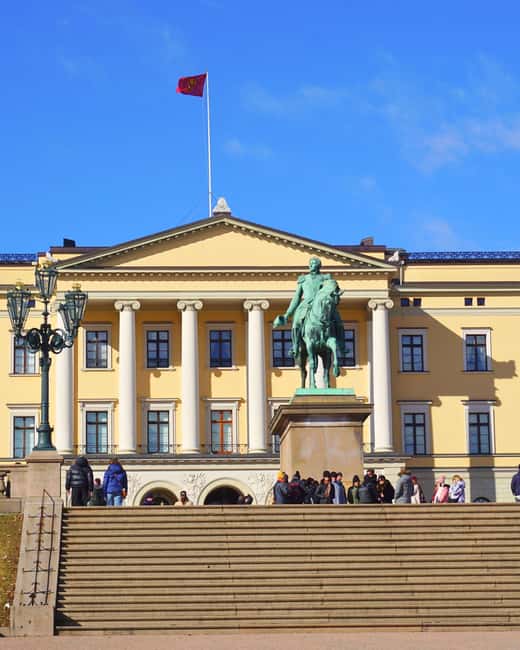
- Oslo’s story unfolds downhill: Begin at the Royal Palace and connect the city center with the harbor and fjord.
- The fire story adds depth: Learn how repeated fires helped reshape Oslo’s streets, buildings, and identity.
- Seven major sights in one walk: See Aker Brygge, City Hall, Karl Johans Street, Central Station, Akershus Fortress, the Stock Exchange, and more.
- The Opera House is more than a photo stop: You enter this modern landmark and have time for a short break.
- Guides add useful local advice: Anders, Michael, Radu, Magnus, and Luis are among the guides associated with the experience.
- Best for an early Oslo visit: Three to four hours gives you a useful city orientation before independent sightseeing.
Why this walking route works
This is a good introduction to Oslo because it does not treat the city as a collection of disconnected monuments. The route moves from the Royal Palace through the central streets and down toward the water, giving you a basic sense of how Oslo fits together.
That downhill direction matters. You begin among royal buildings and formal avenues, pass through the city’s central shopping and civic areas, and finish near the harbor and newer cultural buildings. By the end, you should have a clearer idea of where to return for museums, meals, waterfront walks, and photographs.
The guide fills in the gaps between the sights. You’ll hear about Oslo’s medieval beginnings, its modern changes, and the fires that nearly destroyed the city several times over the last hundred years. Those details help explain why some parts of Oslo feel old and ceremonial while others look strikingly new.
The tour lasts about three to four hours, with the exact start time depending on availability. At $41 per person, I consider it fair value if you want an orientation, historical context, and local advice in one outing. It is less useful if you prefer to spend the same time inside museums, since museum admission is not included.
More Historical Tours in Oslo
- Oslo: Historic Myths & Legends Evening Walking Tour
★ 4.8 · 408 reviews - Oslo City Walks – Historic River Walk
★ 5.0 · 31 reviews - A Well Balanced History and Food Tour with Focus on the Scandinavian Kitchen
★ 4.5 · 29 reviews
Starting at the Royal Palace
The walk begins at the Royal Palace or in Slottsparken, depending on the option you book. This gives the tour a calm opening, away from the busy station area, and places you among Oslo’s most formal surroundings.
Your guide introduces the role of the monarchy and the setting before the group heads downhill. The route is not a strenuous hike, but you should still wear proper walking shoes. Oslo weather can change quickly, and the tour continues outdoors, so a waterproof layer is a sensible choice.
The Royal Palace is also a practical meeting point for first-time visitors. If you arrive early, you can get your bearings in Slottsparken before the walk begins. Confirm the exact meeting location when booking, since the starting point may vary by option.
Aker Brygge and the harbor views
The route continues toward Aker Brygge, one of the city’s best-known waterfront areas. Here, you get a change of mood from palace grounds and central streets to open views across the Oslo Fjord.
This is one of the places where a camera earns its space in your bag. The water, boats, and surrounding shoreline create a useful visual introduction to Oslo’s setting. Your guide also points out how the harbor area fits into the city’s past and present.
Aker Brygge is a short guided walking section of about 10 minutes in the stated plan, though the full pace depends on the group. Do not expect a long waterfront visit here. Think of it as a scenic link between the central city and the civic sights.
Oslo City Hall and the civic center
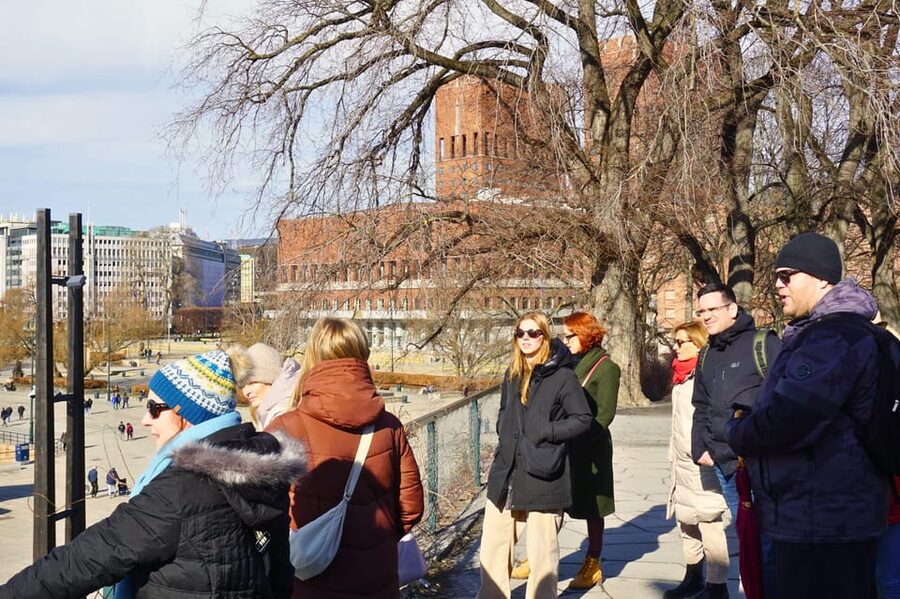
At Oslo City Hall, you stop for photographs and a guided explanation. The building is one of the city’s key public landmarks, and its position near the harbor makes it an easy place to connect Oslo’s government, public life, and waterfront development.
The stop is listed at about 10 minutes. That is enough for an overview and photographs, but not a full architectural study. If you want to inspect every detail of the building, you’ll need to return on your own.
I appreciate stops like this because a guide can explain what you are looking at before you move on. Without that context, a large civic building can become just another picture on a busy itinerary.
A few more Oslo half-days to weigh up
- Oslo: Scenic Fjord Cruise with Audio Guide Commentary
★ 4.5 · 5,375 reviews - Oslo Nature Walks: Island Hopping Tour
★ 4.8 · 2,713 reviews - Oslo: 100% Electric Oslofjord Sightseeing Cruise
★ 4.4 · 2,041 reviews - Oslo: Fjord Evening Cruise with Shrimp Buffet
★ 4.5 · 1,956 reviews
Karl Johans Street and the route through central Oslo
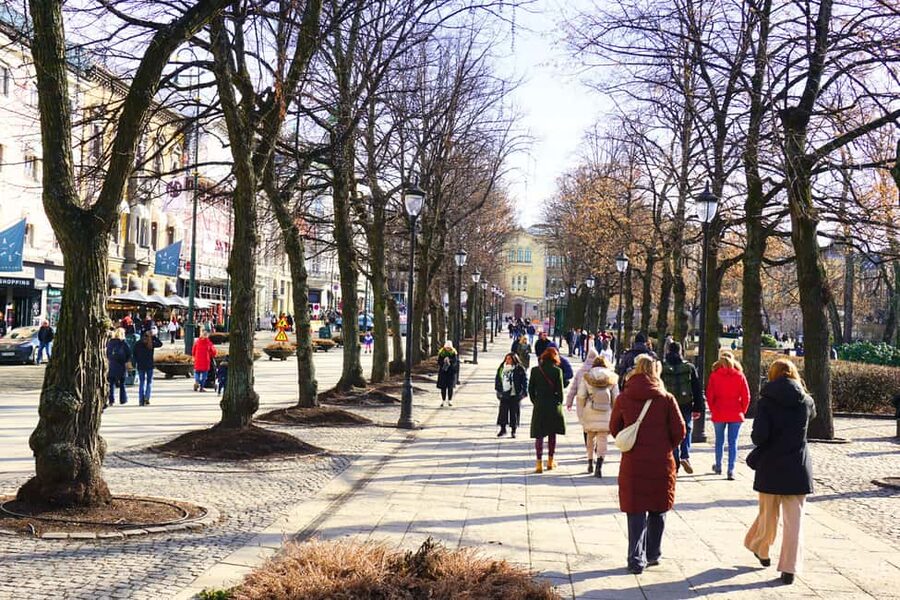
From City Hall, the tour reaches Karl Johans Street, Oslo’s main ceremonial and commercial artery. The walk here takes about 15 minutes in the planned route, with time for sightseeing and photographs.
This section helps you understand the practical shape of central Oslo. You see how the major avenue connects the royal end of town with the station and other central landmarks. It is also a useful orientation point if you plan to return later for shopping, cafés, or a second look at the city center.
The street can feel more active than the opening part of the tour, and the group may need to keep moving. If you want quiet photographs, take advantage of the guide’s pauses rather than expecting a long stop at every corner.
Oslo Central Station and the city’s everyday side
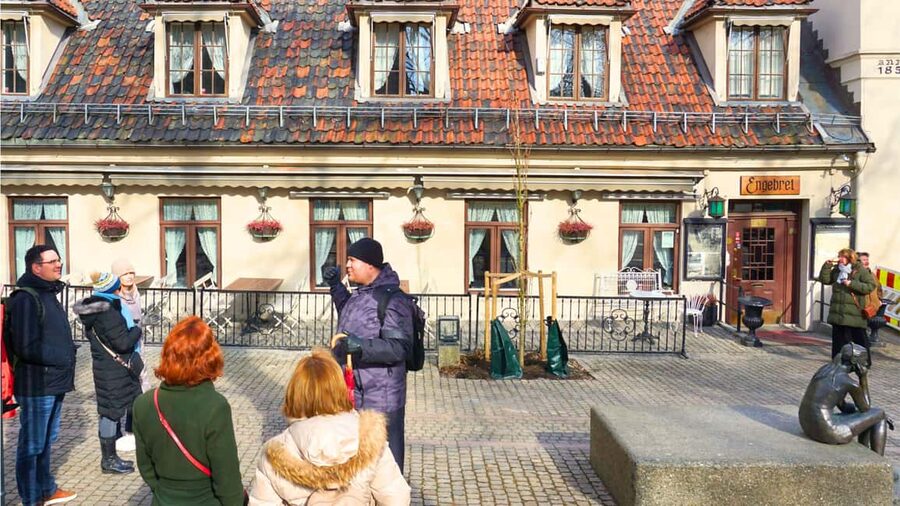
Oslo Central Station provides a contrast to the palace and civic buildings. It is a working transport hub, so this part of the route shows you the city as people use it every day, not only as a historic display.
The planned stop lasts around 15 minutes and includes a photograph opportunity and guided commentary. The station is also one of the possible ending points, which makes the tour convenient if you have a train to catch later in the day.
For first-time visitors, this is a valuable piece of orientation. You can see where the main city routes meet and learn how the station relates to Karl Johans Street and the waterfront. If you are staying near the center, you’ll likely pass through this area more than once.
Akershus Fortress and Oslo’s older defenses
Akershus Fortress adds the strongest medieval and military note to the walk. It is one of the places where Oslo’s earlier story becomes easier to picture, especially after hearing about the city’s changing fortunes and repeated fires.
The stop includes guided sightseeing, photographs, and a 15-minute walking section. The route may include uneven surfaces, which is one reason the experience is not recommended for wheelchair users or people with mobility impairments.
You should not think of this as a full fortress tour with extended time in every building. The guide gives you an overview and points out the most important setting and stories. If the fortress interests you, note what you see and return independently with more time.
This is also one of the better places for views. From the fortress area, you can look toward the harbor and parts of the city, giving you another angle on Oslo’s relationship with the fjord.
The Oslo Stock Exchange and the city’s trading past
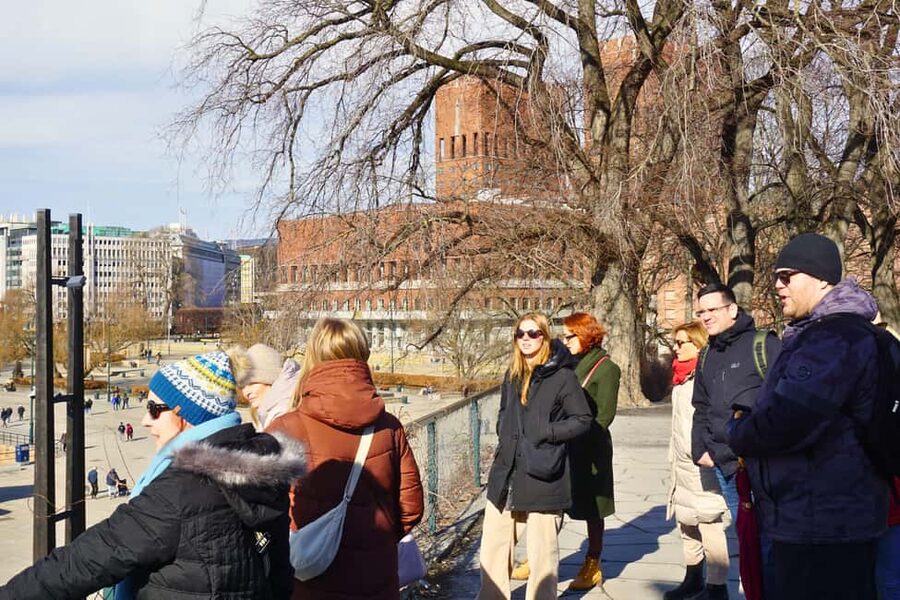
The Oslo Stock Exchange is a shorter but useful stop. The building connects the city to commerce, shipping, finance, and the working harbor nearby.
The planned visit lasts about 15 minutes, including guided sightseeing and photographs. It may not be the most visually dramatic stop for every person, but it adds balance to the tour. Oslo’s story is not only royal, artistic, and military. Trade and business helped shape the city, too.
This is the kind of detail that makes a walking tour worthwhile. You can pass an official building on your own, but a guide helps place it within the wider story of the city.
Entering the Oslo Opera House
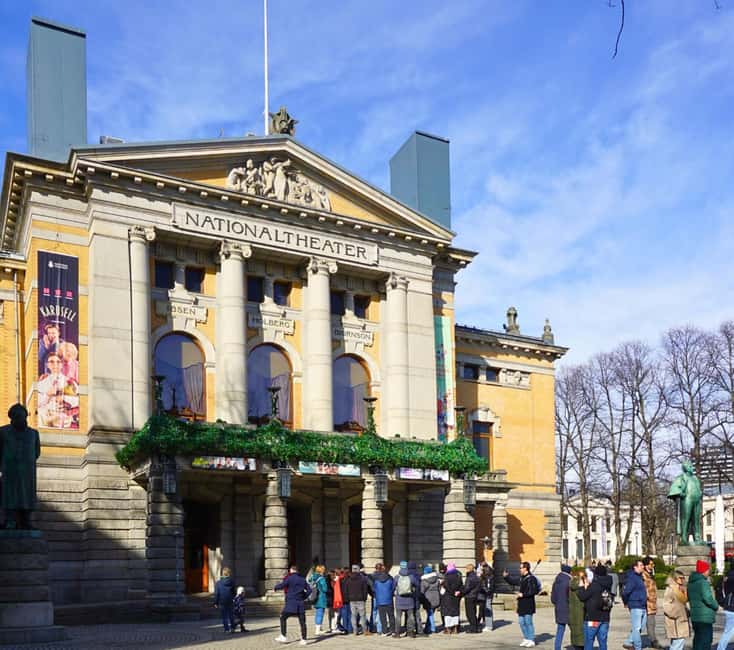
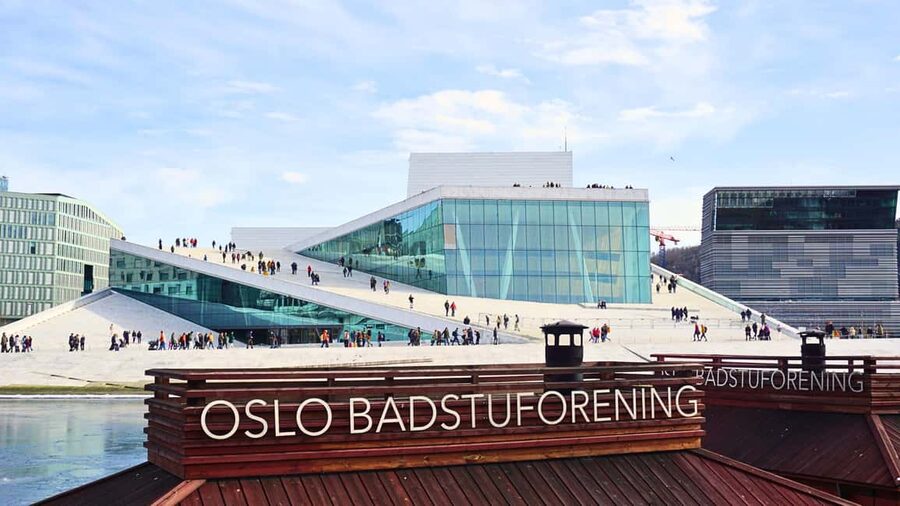
The Opera House is the modern architectural centerpiece of the route. You have time for a break, photographs, a guided visit, and entry inside, which is included in the tour price.
The building’s design is meant to be experienced from more than one angle. The tour gives you a chance to see how it fits into the waterfront area and to appreciate the sharp contrast with Akershus Fortress and the older center.
The planned stop is about 15 minutes, so keep your expectations realistic. This is not a performance, backstage visit, or extended architectural lecture. It is a guided introduction and a chance to enter one of Oslo’s major cultural buildings.
I see this inclusion as a strong value point. Many city walks only point at the Opera House from outside. Here, you get a short pause indoors as well as time for pictures.
The Munch Museum and Oslo’s modern art side
The Munch Museum is the final major sightseeing stop. The tour includes an exterior photo stop and guided commentary, but museum admission is not included.
That distinction matters. If you want to see the exhibitions, set aside another visit and buy your own entry. The tour is useful for learning where the museum is and how it fits into Oslo’s newer cultural district, but it does not replace time inside the galleries.
The museum also rounds out the route thematically. The walk begins with royal history and older city structures, then finishes with modern art and contemporary waterfront development. You get a broad first look at Oslo without spending the entire day in one neighborhood.
The guides and the value of a small group
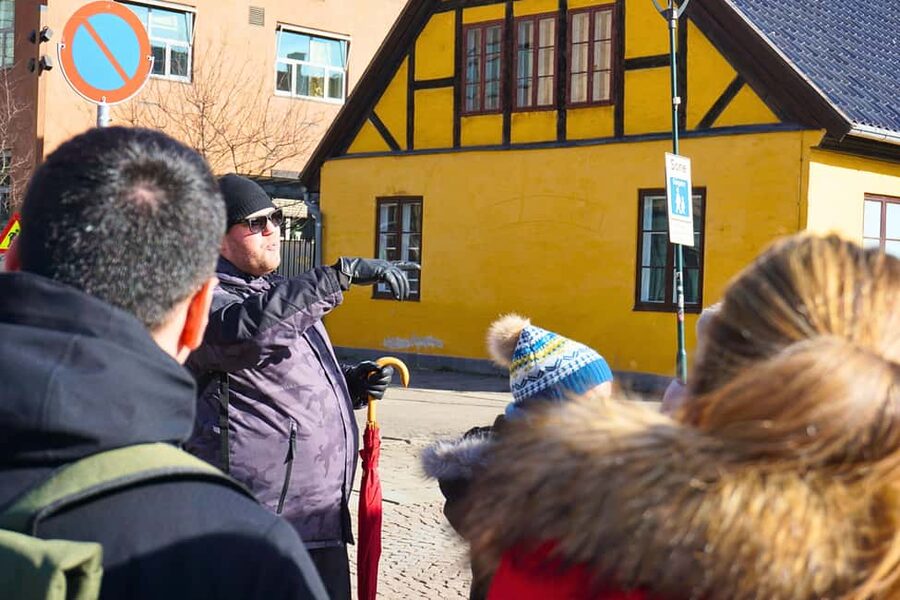
The experience uses a live guide in English, German, Spanish, or Italian. Guides named in the feedback include Anders, Michael, Radu, Magnus, and Luis, so the exact personality and emphasis may vary by departure.
Anders is especially associated with a relaxed pace, time for questions, help with photographs, and restaurant suggestions across different budgets. One guide, identified as a professional chef, also offered practical advice on where to try traditional Norwegian food. That kind of local guidance can save you from choosing dinner at random after a long day.
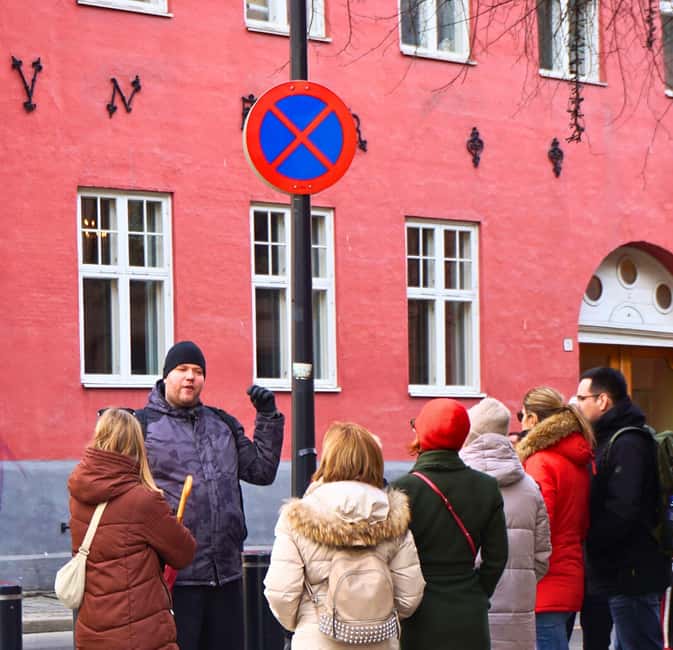
The group limit is 10 people. That is small enough for the guide to notice slower walkers and answer questions without turning every stop into a struggle to hear. It also leaves room for a more personal exchange than you usually get on a large city bus tour.
The tone can vary from serious history to humor and everyday recommendations. That mix is helpful in Oslo, where the historical material can be dense and the modern architecture can invite quick opinions rather than careful thought.
Walking conditions and what to bring
Plan on several hours outside, with stops for photos and short pauses. Comfortable shoes are essential, and you should dress for the weather rather than relying on a forecast from the morning alone.
Bring water and a camera. The route includes fjord views, harbor scenes, major buildings, and elevated viewpoints. If you are traveling alone, the guide may be able to take photographs for you, as one guide specifically did for people in the group.
This is not a suitable choice for wheelchair users or people with mobility impairments. The route includes a substantial amount of walking and some areas where surfaces or slopes may be difficult. If you tire easily, ask about the pace before booking.
The end point can be Oslo Central Station, The Broker, or the Royal Palace. Since the activity may finish at a different point from where you began, check the selected option and leave a little time before your next fixed plan.
Who should book this Oslo tour?
I would choose this walk for a first day in Oslo, especially if you have only a short stay. It covers enough of the city to help you decide which places deserve a longer return visit.
It suits you if you want:
- A guided introduction to central Oslo
- Historical stories instead of bare monument descriptions
- A small group and time for questions
- Scenic viewpoints and good photo opportunities
- Restaurant suggestions and practical city advice
- A route that includes both older buildings and modern cultural sites
I would choose something else if your main goal is museum time, a slow photography walk, or a fully accessible route. You will see the Munch Museum and several major landmarks, but most stops are introductions rather than long visits.
The tour also works well for curious walkers who like stories about how a city changed. The account of Oslo’s repeated fires, followed by rebuilding and architectural change, gives the route a clear thread. You are not just ticking off buildings. You are watching the city’s past give way to its present.
Should you book the History, Art and Secrets Tour?
Book it if you want a well-paced first look at Oslo with history, architecture, views, and useful local suggestions in one outing. The $41 price is reasonable for a three to four-hour guided walk with a group capped at 10, especially since entry to the Opera House is included.
Go in prepared for walking and outdoor weather, and do not expect museum admissions or long interior visits. If you accept those limits, this is a practical way to see the central sights, hear the stories behind them, and leave with a better plan for the rest of your time in Oslo.
Free cancellation is available up to 24 hours before the activity, and you can reserve now and pay later, which helps if your schedule is still taking shape.
FAQ
How long does the Oslo History, Art and Secrets Tour last?
The tour lasts about three to four hours. Starting times vary, so check availability for the date you want.
Where does the tour start?
The starting point may vary by the option booked. The stated starting location is the Royal Palace or Slottsparken.
Where does the tour end?
The activity may end at Oslo Central Station, The Broker, or the Royal Palace. Check the selected option when booking.
Which languages are available?
Live guiding is available in English, German, Spanish, and Italian.
Is admission to Oslo museums included?
No. Museum entry tickets are not included. The tour does include entry to the Oslo Opera House.
Is the tour suitable for wheelchair users?
No. The experience is not suitable for wheelchair users or people with mobility impairments. Comfortable walking shoes and weather-appropriate clothing are recommended.
Just added around Oslo
- Oslo Winter Highlights Bike Tour★ 5.0 · 36 reviews
- The Viking Planet Museum – Mini Group (4 adults)★ 4.0 · 16 reviews
- 4 hours Best View of the Oslofjord Winter Edition★ 4.0 · 15 reviews
- Unknown war. Oslo and Norway during 1940-45★ 5.0 · 74 reviews
- The Scenic Roadtrip, Oslo to Bergen via Flam & the Fjords★ 5.0 · 25 reviews
- Fjord Houseboat Cruise in Oslo. 100 % electric. BYO★ 5.0 · 3 reviews
- The Ultimate Norwegian Skiing Experience★ 5.0 · 16 reviews
- 3 Hours Walking Tour for Great Food in Oslo★ 5.0 · 32 reviews
Historical Tours, compared.

Reindeer Camp and Sami Cultural Tour with Lunch
Read our review →

Sightseeing Cruise of Bergen’s Historic Landmarks
Read our review →

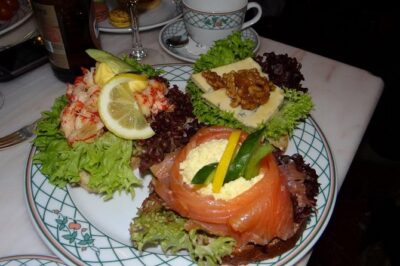
A Well Balanced History and Food Tour with Focus on the Scandinavian Kitchen
Read our review →Browse the lists this tour appears in