
Reviewed · WALKING TOURS
Myth and Legends Oslo Walking Tour
Oslo’s old center comes with more than stone walls and tidy squares. This private walk brings out the city’s darker tales, from Viking-era beliefs and bloody conflicts to trolls, ghost horses, and the Norse gods said to influence local architecture. Akershus Fortress is the star, especially the less familiar corners that many quick city walks skip.
I like the compact route and the way it links myth with real buildings. You begin at City Hall, pass through the 17th-century district of Kvadraturen, and finish along Karl Johan with the Parliament, National Theater, University, Royal Palace, and Grand Café in view. The main drawback is the price: $304 for up to 16 people makes good sense for a full private group, but feels steep for one or two people.
Key points
- Akershus Fortress from a darker angle: Hear stories tied to battles, royal power, and the old fortress grounds.
- A walk through Kvadraturen: Explore Oslo’s oldest 17th-century city district on foot.
- Norse mythology in the city center: Learn how gods and goddesses shaped the thinking of architects and city builders.
- A strong central route: Start at City Hall and finish on Karl Johan beside Oslo’s major civic and royal landmarks.
- Private guiding with a personal feel: The two-hour tour is for your group, with English-speaking guides such as Maria or Marija.
- Easy planning: Hotel pickup in downtown Oslo, wheelchair access, and free cancellation up to 24 hours before the tour are included.
Why Oslo’s Myths Work Best on Foot
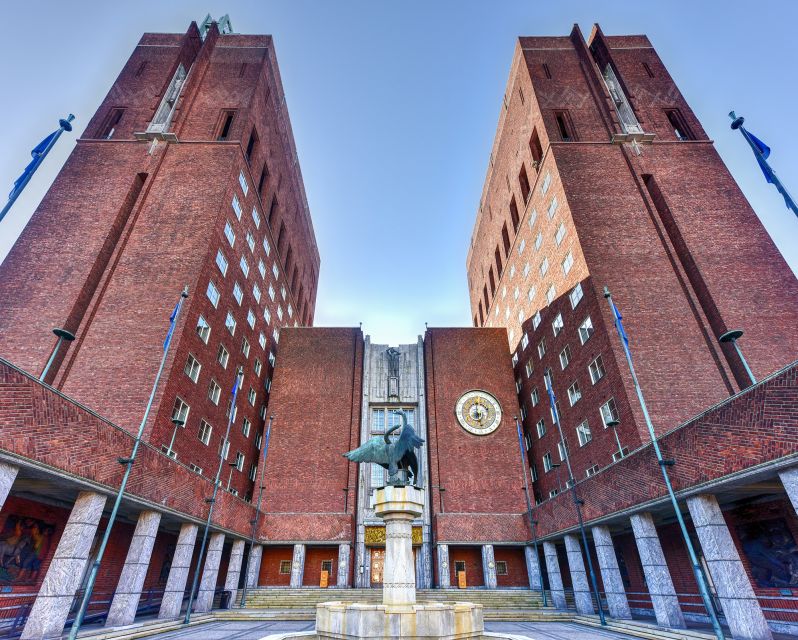
Oslo is more than 1,000 years old, and this tour uses that long past as its main story. You are not simply moving from one monument to the next. The guide connects squares, fortress walls, royal buildings, and old streets with stories about belief, fear, power, and the way a city explains itself.
That makes the walk a good choice if you want context without spending half a day inside a museum. The English-speaking guide is expected to do the heavy lifting, explaining what you are looking at and why it matters. Recent guides named Maria and Marija received particular praise for making the stories clear, personal, and entertaining.
The tone is spooky rather than a ghost hunt. The tour openly says it is not about chasing ghosts, but you may still get an eerie feeling along the way. That is a useful distinction. You should book this for storytelling, folklore, and history, not for staged scares or paranormal claims.
More Walking Tours in Oslo
- Oslo: Best of Oslo Walking Tour
★ 4.5 · 458 reviews - Oslo: Guided Walking Tour of Central Oslo
★ 4.7 · 438 reviews - Oslo: Historic Myths & Legends Evening Walking Tour
★ 4.8 · 408 reviews
Meeting the Guide at Oslo City Hall
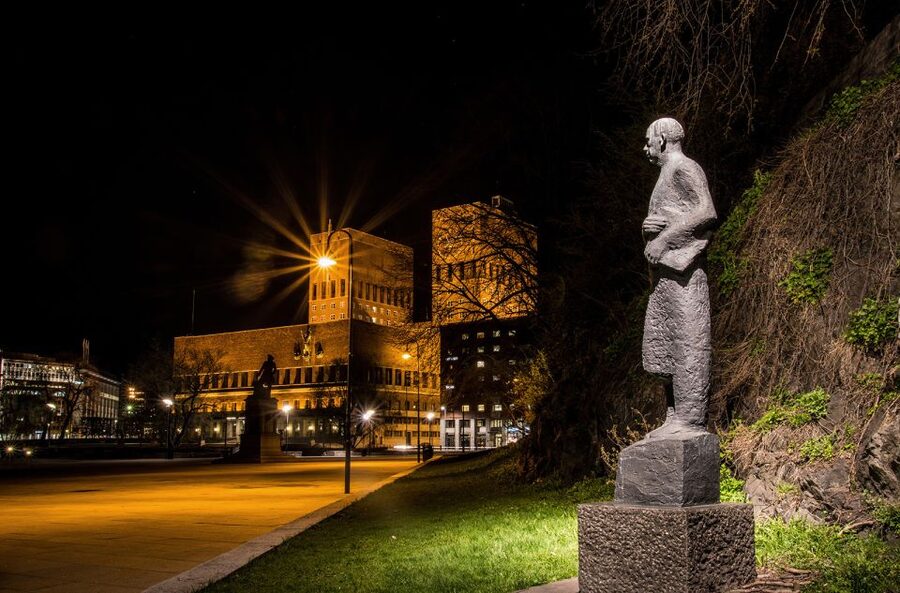
The walk begins at the Swan fountain near the entrance to Oslo City Hall. This is a practical starting point in the center, and it gives you a clear landmark for meeting your guide. If you are being picked up from a downtown hotel, confirm the arrangement when booking, since the listed meeting point remains the City Hall fountain.
City Hall sets the mood well. It is a major public building and a recognizable symbol of Oslo, but the tour uses it as the threshold between present-day city life and the older stories beneath it. From here, you move toward Akershus Fortress and the historic core.
Wear comfortable shoes. The duration is only two hours, but it is a continuous walking experience, and the best parts depend on staying with the guide rather than treating the route as a series of quick photo stops.
Akershus Fortress and Oslo’s Darker Past
Akershus Fortress is the heart of the tour. It began as a defensive and royal site, and its walls carry the atmosphere you want from a myths-and-legends walk. Here, the guide places Oslo’s old stories against battles, political conflict, and the struggle between neighboring countries.
The attraction is not just the fortress itself. You are shown a different side of its buildings and open spaces, with attention to the darker stories attached to them. The details may include tales of violence, fear, and supernatural figures, including the ghost horse mentioned in the tour’s storytelling.
I like this part because a fortress naturally gives folklore some weight. A troll story told beside an ordinary modern street can feel playful. A story told beside old defensive walls and royal buildings has a sharper edge. The guide’s role matters greatly here, since the same stones can feel either like a quick sightseeing stop or a place full of human drama.
Do not expect a long fortress admission experience or a museum visit. The supplied details describe a walking route around the site and its less familiar areas, not an extended indoor tour. That keeps the pace moving, but it also means the value comes from the guide’s explanations rather than from viewing a large collection of objects.
Kvadraturen, Oslo’s Seventeenth-Century Core
After the fortress, the route enters Kvadraturen, the oldest part of the 17th-century city. The name refers to the district’s regular grid of streets, a contrast to the irregular paths you might expect in an older European center.
This section gives the myths a civic setting. You are walking through the part of Oslo shaped by planned urban development, not just wandering among medieval remnants. The guide can show how the city was rebuilt and organized, while also explaining the beliefs that helped shape its public identity.
The route is especially useful for first-time visitors because it covers the historical center in a short time. You get a sense of how the fortress, commercial streets, civic buildings, and royal institutions fit together. If you have only a day or two in Oslo, this is an efficient way to get your bearings fast without reducing the city to a list of postcard stops.
The possible weakness is that a two-hour route cannot give every street equal attention. Kvadraturen may be more about connecting the story than stopping at every building. If your main goal is detailed architectural study, you may want a separate architecture tour or museum visit. If you want a guided introduction with a strong narrative, the pace should suit you.
A few more Oslo half-days to weigh up
- Oslo: Scenic Fjord Cruise with Audio Guide Commentary
★ 4.5 · 5,375 reviews - Oslo Nature Walks: Island Hopping Tour
★ 4.8 · 2,713 reviews - Oslo: 100% Electric Oslofjord Sightseeing Cruise
★ 4.4 · 2,041 reviews - Oslo: Fjord Evening Cruise with Shrimp Buffet
★ 4.5 · 1,956 reviews
Norse Gods Behind the City’s Architecture
The Norse mythology element gives this tour its special angle. You hear how gods and goddesses influenced city architects, adding a layer of meaning to buildings that might otherwise look like ordinary public architecture.
The point is not simply to memorize names from Norse mythology. The guide uses those figures to explain how national identity and old beliefs can appear in the design and symbolism of a capital city. That makes the subject accessible even if you do not already know the difference between the major Norse gods and goddesses.
This is also where the tour separates itself from a standard Oslo highlights walk. A conventional city tour might identify the Parliament, the University, and the Royal Palace. This one asks you to consider the stories and ideas that stand behind the city’s visual language.
The guide’s storytelling style is important. Maria has been praised for making the material engaging and for linking historical stories with current cultural points. Marija has also been praised for covering trolls, ghost horses, and Norse mythology in a way that keeps the walk lively. Guide assignments can change, so book this expecting the format and subject matter rather than a guaranteed individual guide.
Karl Johan and the Royal Route
The final stretch follows Karl Johan, Oslo’s main street. This gives the walk a satisfying finish because many of the capital’s best-known institutions gather along the route.
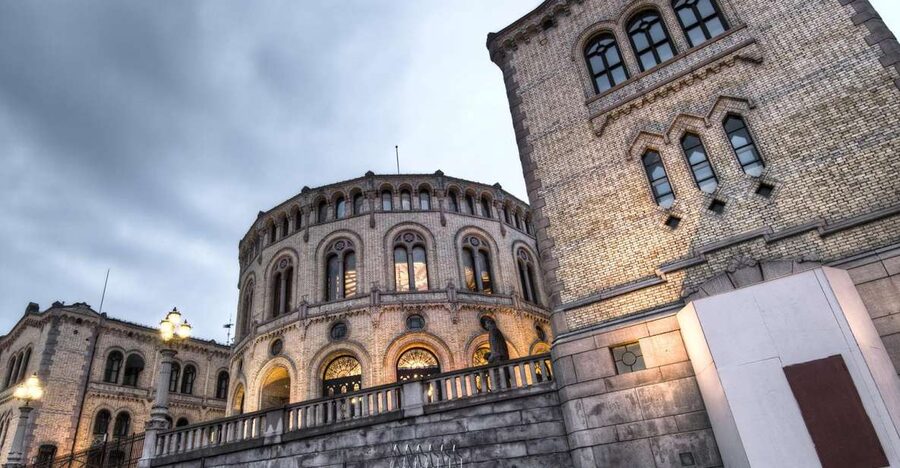
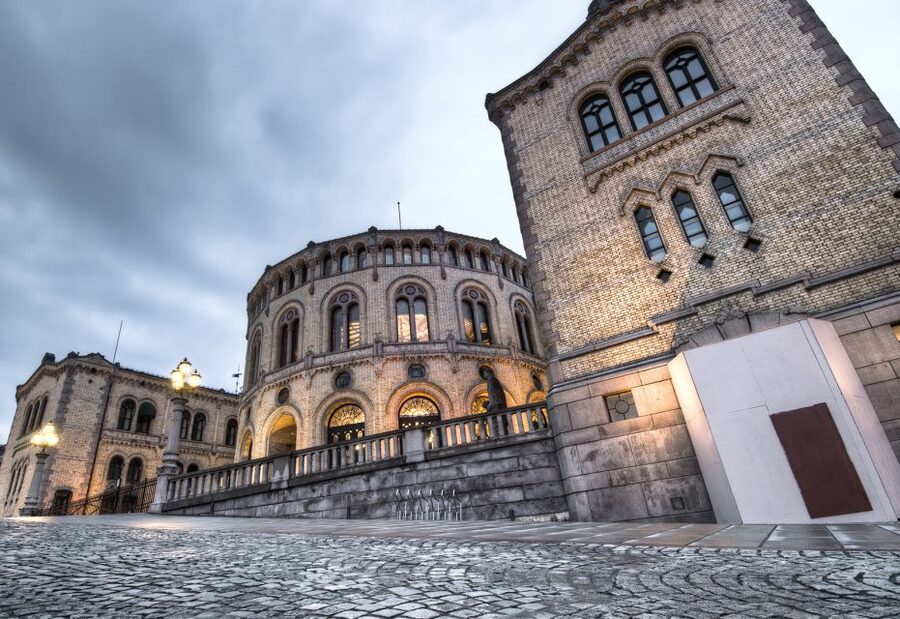
You will see the Parliament, National Theater, University, Royal Palace, and Grand Café. The tour does not promise extended interior visits, so think of these as exterior landmarks explained in context. The guide helps you understand how power, culture, education, monarchy, and public life meet along one central avenue.
The old Royal Palace is presented as a recognizable symbol of Oslo. That is useful because it moves the story from fortress power to modern national identity. You can see how the city’s royal past remains part of its public image, even as the surrounding streets serve everyday civic life.
The Grand Café adds a more social note to the ending. After fortress walls and tales of conflict, the route finishes among places linked with the city’s public and cultural life. That change in mood keeps the tour from becoming a nonstop procession of grim tales.
What the Two-Hour Format Really Gives You
Two hours is enough for a focused introduction, not a complete study of Oslo. You will cover several central districts and major landmarks, but you will not have time for long stops, extensive interior visits, or a relaxed meal.
That compact length is one of the tour’s strengths. You can fit it into a morning or afternoon and still have time for other plans. It also works well near the start of a stay, since the route introduces the center and gives you places to return to later.
The private format changes the experience. The price is $304 for a group of up to 16, rather than a per-person charge. For a larger family group, friends traveling together, or a private organization, the cost can be reasonable because the guide’s attention is reserved for your party. For one or two people, the same total price is a much heavier commitment.
A private group may also make it easier to ask about a particular myth, building, or period. The supplied information does not promise a customized route, so do not assume you can redesign the walk. Still, a private English-language setting generally gives you a more direct exchange than a large shared group.
The Practical Side: Shoes, Access, and Booking Flexibility
The tour includes an English-speaking expert guide, downtown hotel pickup, and all taxes. Transport beyond the walking route is not included, and meals are not included, so plan to arrive ready to walk and arrange food separately.
Comfortable shoes are the main item to bring. The tour is wheelchair accessible, which is valuable for a central city walk, though the details of individual surfaces and fortress areas are not specified. If you use a wheelchair, contact the provider before booking so you can confirm the exact route for your needs.
Children under 12 are not suitable for this experience. The subject matter, including battles, frightening stories, and ghostly legends, is aimed at older visitors. Families with teenagers may find it a better fit than families with small children.
You can cancel up to 24 hours before the start for a full refund. The reserve-now, pay-later option also allows you to hold a place without paying at once, which helps if your Oslo schedule is still changing.
What the Praise Tells You About the Guide
The strongest pattern in the available feedback is the guide’s storytelling. Maria is described as personable and strong on history, myths, and current cultural points. Another recent account praises the guide for making the stories captivating, while other high scores call the activity informative and entertaining.
That combination matters. Folklore can easily become a string of disconnected names and spooky claims. The best version of this tour gives each story a place in Oslo and keeps the history understandable.
There was also one serious service failure: a guide did not arrive for one booking. The customer was refunded, and both the help line and tour company handled the problem well. That does not erase the inconvenience, but it is worth knowing when judging the overall record. The tour has an overall rating of 4.7 from 20 reviews, with most of the listed experiences receiving the highest rating.
I would treat the no-show as a reminder to confirm the meeting details, especially if the walk is important to your day. The City Hall Swan fountain is clear, but a quick check of the time and pickup plan is sensible.
Who Should Book the Myth and Legends Oslo Walk?
I would choose this tour if you want a guided introduction to central Oslo with a strong story line. It suits adults, couples, private groups, and older children who enjoy legends but also want real history and architecture.
It is particularly useful for:
- First-time visitors who want to see several central landmarks in two hours.
- People who enjoy Norse mythology and want to connect it with modern Oslo.
- Private groups that can share the $304 cost among several people.
- Visitors who prefer a live guide to reading plaques or following a map.
- Anyone looking for a darker, more unusual angle on the capital.
I would skip it if your top priority is entering major buildings, visiting museums, or getting a detailed academic history of Akershus Fortress. I would also think twice if you are traveling alone and find the full private-group price hard to justify.
Should You Book This Oslo Walking Tour?
Book it if you want Oslo told as a sequence of stories rather than a checklist of sights. The fortress, Kvadraturen, Norse mythology, and Karl Johan make a well-shaped route, and the two-hour length keeps the experience manageable.
The value depends almost entirely on group size. At $304, a group of eight or more gets a far better deal than a couple booking alone. The private format, central pickup, English guide, and flexible cancellation add convenience, while the guide’s personality will shape how memorable the legends become.
For a private group interested in Oslo’s darker history, royal symbols, and Norse beliefs, this is a distinctive city introduction. For a solo visitor or a pair on a tight budget, compare the total cost with a shared walking tour before committing.
FAQ
Where does the Myth and Legends Oslo Walking Tour begin?
The meeting point is the Swan fountain at the entrance to Oslo City Hall.
Is hotel pickup included?
Pickup from any downtown Oslo hotel is included.
How long does the tour last?
The walking tour lasts two hours.
What language is the tour offered in?
The tour is conducted in English with a live guide.
Is this a private tour?
Yes. It is a private group experience for up to 16 people.
What price should I expect?
The listed price is $304 per group of up to 16 people.
Does the tour include food or transportation?
No. Meals and transport are not included. The tour includes the walking experience, guide, downtown hotel pickup, and taxes.
Is the tour wheelchair accessible?
Yes, the activity is listed as wheelchair accessible.
Are children under 12 allowed?
No. The experience is not suitable for children under 12.
What happens if I need to cancel?
You can cancel up to 24 hours in advance for a full refund. You can also reserve now and pay later.
Just added around Oslo
- The Viking Planet Museum – Mini Group (4 adults)★ 4.0 · 16 reviews
- Oslo Winter Highlights Bike Tour★ 5.0 · 36 reviews
- 4 hours Best View of the Oslofjord Winter Edition★ 4.0 · 15 reviews
- Unknown war. Oslo and Norway during 1940-45★ 5.0 · 74 reviews
- The Scenic Roadtrip, Oslo to Bergen via Flam & the Fjords★ 5.0 · 25 reviews
- Fjord Houseboat Cruise in Oslo. 100 % electric. BYO★ 5.0 · 3 reviews
- The Ultimate Norwegian Skiing Experience★ 5.0 · 16 reviews
- 3 Hours Walking Tour for Great Food in Oslo★ 5.0 · 32 reviews
Walking Tours, compared.

Past & Present Small Group Guided Walking Tour
Read our review →


Central Oslo Guided Walking Tour with Local Guide
Read our review →Browse the lists this tour appears in