
Reviewed · OSLO TOURS
Myths and Legends of Oslo
Oslo’s old center has more shadows than its polished waterfront suggests. This private walk links Norse gods, royal power, executions, church burnings, and the medieval walls of Akershus Fortress. I like that it gives you the city’s major sights while also chasing the stranger stories beneath them.
I especially like the private format, which lets your guide adjust the pace and answer questions about present-day Oslo, as Irina did for one couple. I also like the mix of mythology and documented history, from Christiania’s name to the fortress’s stories of war, prison life, and unexplained events. The main drawback is time: two hours is short for so much material, and the walk may feel brisk if you want long visits at each stop.
Key points to know before booking
- Norse mythology meets modern Oslo: Expect stories about gods, wisdom, love, war, hate, and visions of the future, along with how Norse ideas still influence Norwegian culture.
- A private group of up to eight: Your party gets its own professional English-speaking guide rather than joining a large walking group.
- Akershus Fortress gets the longest stop: Allow about 40 minutes for the medieval castle, military stronghold, prison, and its tales of strange happenings.
- The route covers Oslo’s old core: You walk from City Hall through Rådhusplassen, Engebret Cafe, and Kvadraturen before reaching the fortress.
- A darker edge than a standard city walk: The route can include the old execution square and stories tied to black metal church burnings.
- Morning timing may be a plus: The scheduled start is 10:00 a.m., when central Oslo streets can be quiet.
Why this Oslo walk is different
Many city tours give you dates, names, and a quick photograph before moving on. This one uses stories to connect Oslo’s monuments with the beliefs and fears that shaped the city. You hear about mythology, politics, religion, crime, war, and culture in the same short outing.
That blend suits you if you like to ask why a place matters, not just what year it was built. One guide, Alla, is described as placing each sight in historical, political, cultural, artistic, and religious context. That is a lot to cover in two hours, but it gives the walk a more thoughtful feel than a simple checklist of landmarks.
The private setup matters here. A guide can spend more time on Norse mythology if that is what interests you, or explain Oslo’s urban past if you are more curious about Christiania and the fortress. Guides named in past outings include Anastasiia, Irina, and Alla. Anastasiia, in particular, is associated with local advice as well as history, which can be useful if you take this tour early in your stay.
The tone is not purely light. You may hear about the town execution square and the church burnings linked to Norway’s black metal scene. These subjects add a sharp edge, but they also show how the tour moves beyond postcard Oslo. If you prefer a gentle introduction focused only on architecture and royal history, this may feel darker than expected.
A few more Oslo half-days to weigh up
- Oslo: Scenic Fjord Cruise with Audio Guide Commentary
★ 4.5 · 5,375 reviews - Oslo Nature Walks: Island Hopping Tour
★ 4.8 · 2,713 reviews - Oslo: 100% Electric Oslofjord Sightseeing Cruise
★ 4.4 · 2,041 reviews
Starting at Oslo City Hall
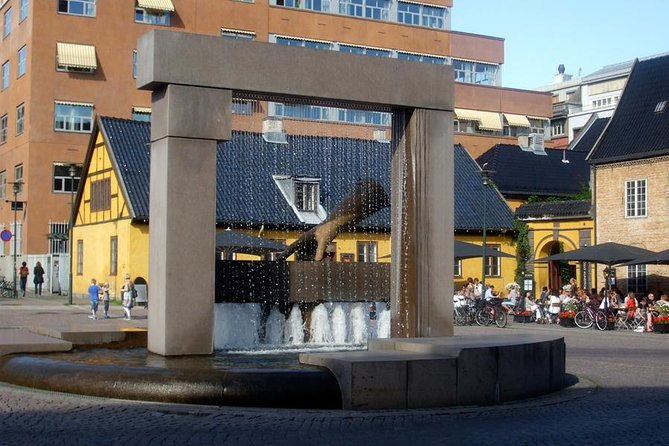
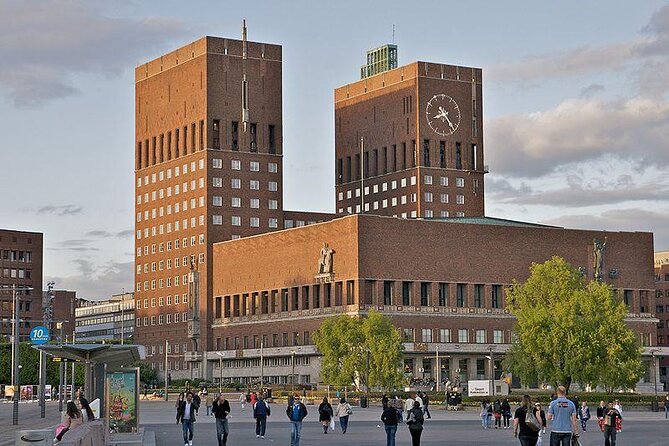
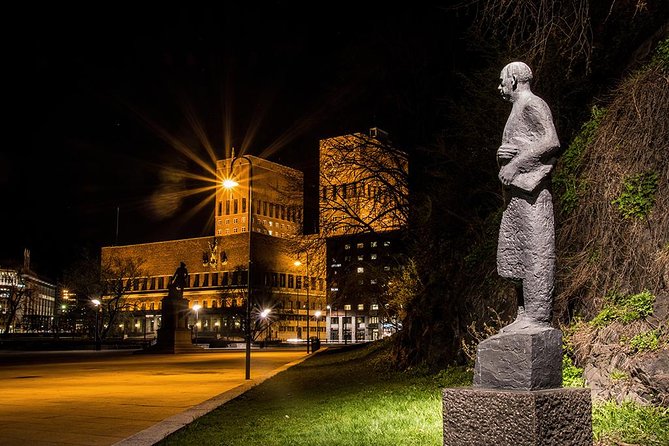
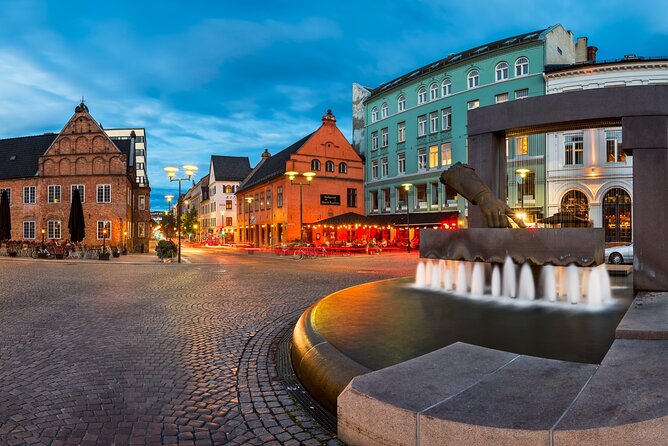
The tour begins at Fridtjof Nansens plass 2, beside Oslo City Hall and the Two Swans Fountain. The listed start time is 10:00 a.m. This is a sensible place to begin because City Hall is one of Oslo’s best-known civic buildings and a clear meeting point in the center.
Your first 20 minutes focus on the lives and stories of the gods. The themes include wisdom and love, war and hate, and grand visions of the future. Rather than treating Norse mythology as a separate subject, the guide connects it with Norwegian identity and culture today.
I would pay attention to how your guide tells these stories. The value is not only in learning the names of gods or hearing dramatic legends. It is in seeing how old beliefs can remain part of a country’s cultural language long after the original religious system has faded.
There is no admission charge at this stop. You are primarily here for the guide’s interpretation, not an indoor visit. That helps keep the tour moving, but it also means the quality of the experience depends heavily on the guide’s storytelling and your questions.
Rådhusplassen and Oslo’s public symbols
From City Hall, the route continues to Rådhusplassen, the broad public space by the waterfront. The stop lasts about 10 minutes and focuses on Norwegian and Oslo symbols and the legends connected with them.
This is a short pause, so do not expect a long architectural lecture. Instead, use it as a bridge between mythology and civic identity. The guide helps you consider how symbols work in public spaces and how a capital city presents itself.
The open plaza can also make this a practical orientation point. You are still near the center, and the route remains easy to reach by public transportation. Since the tour operates in all weather, dress for the conditions rather than assuming the waterfront will be comfortable.
Engebret Cafe and the birth of Christiania
The next stop is Engebret Cafe, with about 15 minutes devoted to the relocation of the Norwegian capital in the 17th century and the name Christiania. This section gives the tour a useful change of focus. You move from gods and symbols to the political decisions that shaped the city itself.
The name Christiania is not just an old label to memorize. It points to a period when Oslo’s identity and location were being reshaped. Hearing that story while walking through the old center helps you understand that cities are not fixed. Capitals move, names change, and political choices leave marks on ordinary streets.
This stop should appeal to you if you enjoy urban history. It is less about one grand monument and more about the forces that made Oslo the city you see today. The 15-minute timing keeps the pace lively, though anyone wanting a detailed account of the capital’s transfer may wish for longer.
Same stretch of coast, a completely different day out:
- Oslo: Fjord Evening Cruise with Shrimp Buffet
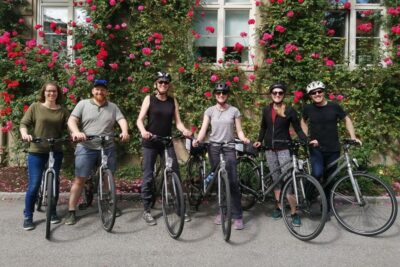
★ 4.5 · 1,956 reviews - Oslo: 3-Hour Highlights Bike Tour
★ 4.8 · 1,609 reviews - Oslo: 24 or 48-Hour Hop-On Hop-Off Sightseeing Bus Ticket
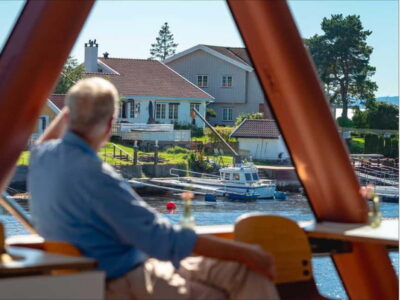
★ 4.1 · 1,470 reviews - Oslo: Guided Sightseeing Fjord Cruise on Premium Silent Boat
★ 4.7 · 1,390 reviews
Kvadraturen’s compact old streets
The route then enters Kvadraturen, with about 15 minutes for stories connected to the neighborhood. The name refers to the area’s grid-like street plan, and the stop gives you a chance to read Oslo through its street layout as well as its landmarks.
This is where the walk’s format works well. A guide can point out how the neighborhood fits into the city’s older plan while explaining the stories attached to it. You get more from the streets when someone helps connect their shape and location to earlier chapters of Oslo’s development.
Kvadraturen is also a practical part of the route because it links the waterfront area with Akershus Fortress. You are not spending the whole tour at one monument. Instead, the walk gradually builds a picture of the old center, then saves its longest stop for the fortress.
Akershus Fortress and its darker stories

Akershus Fortress receives about 40 minutes, the largest share of the tour. The medieval castle overlooks the Oslo Fjord and was built in the late 1200s to protect the city. Over time, it served as a royal residence, military stronghold, and prison.
That range of uses gives your guide plenty to work with. You can expect stories about real people and events, along with myths and unexplained phenomena passed down through generations. The fortress is not presented only as a handsome medieval relic. It is treated as a place where power, danger, confinement, and belief met.
For me, this is likely the strongest part of the walk. The physical setting gives the stories weight, and the fortress provides a clear focal point after the shorter city stops. The Oslo Fjord setting adds visual appeal, but the main value is the layered past of the site.
Keep your expectations realistic. The tour includes the fortress as a stop, but the supplied details do not promise entry to every building or a full museum visit. The experience is a guided walk with admission tickets listed as free, not a full-day fortress study. If you want extensive interior time, ask for clarification before booking.
The fortress section also suits people drawn to legends and unexplained events. You will not get only a polished royal narrative. The guide may discuss the stories people repeated from one generation to the next, which gives the castle a more mysterious atmosphere.
The private format and guide style
This is a private activity for your own group, with up to eight people. That is a good size for a walking tour because you can hear the guide without the scale of a large crowd, and you can shape the conversation around your interests.
Past guides have included Anastasiia, Irina, and Alla. The guide can make a big difference here because the tour depends on explanation rather than admission-based attractions. Anastasiia has been praised for combining history with everyday life in Oslo and for offering ideas about other activities. Irina has accommodated a requested change in start time and met a group at its hotel. Those details suggest a personal approach, but they should not be treated as a guarantee that every request or guide will be available.
The English-language format is useful for international visitors. You should feel comfortable asking for clarification, especially when the tour moves between Norse mythology, Norwegian political history, religion, and modern culture.
Price, timing, and what you receive
The price is $311.45 per group of up to eight. For a full group, that works out to about $39 per person. For two people, it is about $155.73 each, so the value changes sharply depending on your party size.
I see the best value for families or groups of friends who want a private introduction to central Oslo. You are paying for a professional guide, private access to the experience, and a route that combines several major sights with a distinctive theme. Solo visitors and couples may find the cost harder to justify unless personal attention is especially important.
The walk lasts approximately two hours. The scheduled stop times total 100 minutes, leaving roughly 20 minutes for movement between locations and transitions. That explains why the experience may feel full. You cover several areas, but you will not have long, unhurried visits at each one.
Food and drinks are not included. Transportation to and from attractions is also not included, and the meeting point is Fridtjof Nansens plass 2. One detail needs checking before you pay: the promotional information mentions hotel pickup and drop-off, while the inclusion details say hotel pickup and drop-off are not included and the activity ends back at the meeting point. I would confirm this directly with Nordiva Tours AS rather than assume a hotel transfer is part of the price.
The activity is booked an average of 63 days ahead, so advance planning is sensible, especially if your Oslo dates are fixed. Confirmation is sent within 48 hours of booking, subject to availability.
Weather, walking, and the best time to go
This is an outdoor walking experience and operates in all weather. Wear shoes suitable for a moderate level of walking and bring clothing that matches the forecast. The route includes public squares, neighborhood streets, and a fortress area, so comfort matters more than dressing for a formal sightseeing stop.
The 10:00 a.m. start may work well for you if you like a calm city. Oslo’s streets can be quiet in the morning, giving the walk a more relaxed pace. It also leaves much of the day open for museums, restaurants, or further exploring.
You need a moderate level of physical fitness. The information does not specify exact distances, stairs, or accessibility conditions, so ask the provider if those details matter to you. Service animals are allowed, and the meeting area is near public transportation.
Who will enjoy this tour most
I would choose this walk if you like:
- Norse mythology with a connection to present-day Norway
- True crime, grim local stories, or unusual legends
- Political and religious context alongside monuments
- A private guide who can answer personal questions
- A compact introduction to Oslo at the start of a stay
- Walking through central neighborhoods rather than riding between sights
It is less suitable if you want a slow architectural tour, extensive indoor access, or a long visit at Akershus Fortress. The tour covers a great deal, and its strength is the range of subjects rather than lengthy time at one place.
You should also consider your group’s interests. Children or adults who enjoy legends may find the mythic and mysterious material engaging, while anyone sensitive to execution stories or church burnings may prefer a more conventional city walk.
Is Myths and Legends of Oslo worth booking?
I would book this for a first or second day in Oslo if I wanted a private orientation with more personality than a standard highlights walk. The combination of City Hall, Christiania, Kvadraturen, and Akershus Fortress gives you a useful map of the old center, while the mythology and darker stories give you something memorable to carry into the rest of your visit.
The decision comes down to group size and expectations. At $311.45, it makes much better financial sense for a group of four to eight than for a couple. Book it if you value an adaptable English-speaking guide and enjoy history told through legends, politics, religion, and real events. Skip it if you want a cheap overview or a detailed fortress tour with plenty of time inside.
Before booking, confirm the hotel pickup question, then plan for weather and a fairly full two hours. If you do that, this can be a smart way to get your bearings and see Oslo’s old center through stories that are both grand and unsettling.
FAQ
Where does the Myths and Legends of Oslo tour start?
It starts at Fridtjof Nansens plass 2, 0160 Oslo, Norway, at Oslo City Hall near the Two Swans Fountain.
What time does the tour start?
The scheduled start time is 10:00 a.m.
Where does the tour finish?
The activity ends back at the meeting point.
How long does the tour last?
The tour lasts approximately two hours.
Is this a private tour?
Yes. Only your group participates, and the group can include up to eight people.
What language is the tour offered in?
The tour is offered in English.
Is transportation included?
The inclusion details say transportation to and from attractions is not included. The meeting point is in central Oslo. The promotional information also mentions hotel pickup and drop-off, so confirm this detail with the provider before booking.
Is admission to the stops included?
The listed stops show free admission tickets. The tour includes a professional guide, but the details do not promise entry to every interior area at Akershus Fortress.
Does the tour operate in bad weather?
Yes. It operates in all weather conditions, so dress appropriately.
Can I cancel for a full refund?
Yes, if you cancel at least 24 hours before the local start time. Cancellations made less than 24 hours before the start time are not refunded, and changes within that period are not accepted.
Just added around Oslo
- The Viking Planet Museum – Mini Group (4 adults)★ 4.0 · 16 reviews
- Oslo Winter Highlights Bike Tour★ 5.0 · 36 reviews
- 4 hours Best View of the Oslofjord Winter Edition★ 4.0 · 15 reviews
- Unknown war. Oslo and Norway during 1940-45★ 5.0 · 74 reviews
- The Scenic Roadtrip, Oslo to Bergen via Flam & the Fjords★ 5.0 · 25 reviews
- Fjord Houseboat Cruise in Oslo. 100 % electric. BYO★ 5.0 · 3 reviews
- The Ultimate Norwegian Skiing Experience★ 5.0 · 16 reviews
- 3 Hours Walking Tour for Great Food in Oslo★ 5.0 · 32 reviews
Oslo Tours, compared.

Scenic Fjord Cruise with Audio Guide Commentary
Read our review →


Guided Sightseeing Fjord Cruise on Premium Silent Boat
Read our review →
Browse the lists this tour appears in