
Reviewed · MUSEUMS
Maihaugen Museum/The Norwegian Olympic Museum, Lillehammer.
Maihaugen lets you walk through eight centuries of Norwegian life in one hillside museum. You can enter a 1200s stave church, old farm buildings, and homes from the 20th century, then move indoors for exhibits on Norway’s culture and Olympic triumphs.
I like the mix of real historic buildings and modern displays, especially the Norwegian Olympic Museum and the easy-to-follow exhibitions Impulses and We Won the Land. I also like that one ticket covers Maihaugen, the Olympic Museum, and the Norwegian Postal Museum in summer. The main caution is seasonal access: in winter, many open-air buildings may be closed, so the indoor museums become the stronger part of the visit.
Key points to know before you go
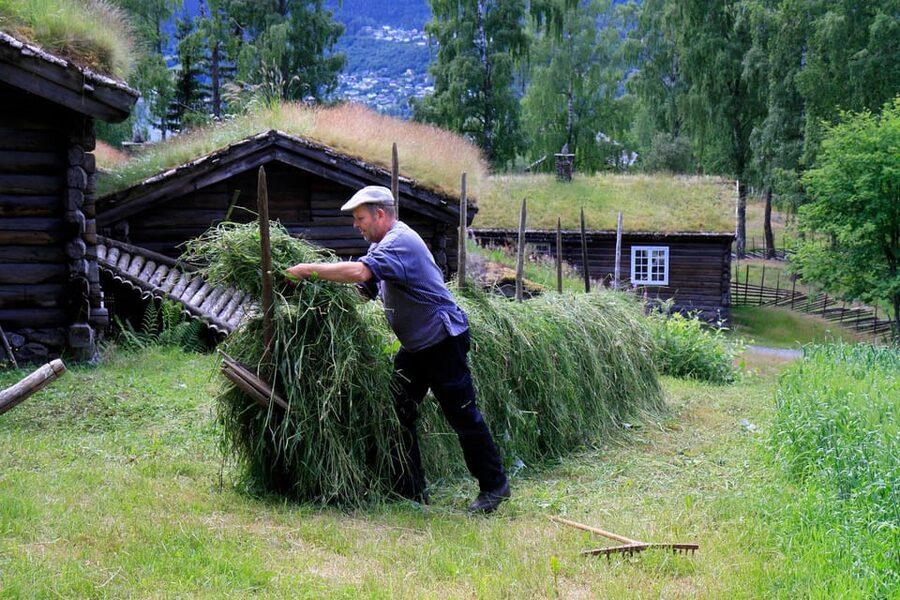
- More than 200 historic buildings: See homes, farms, workshops, and public buildings from different periods of Norwegian life.
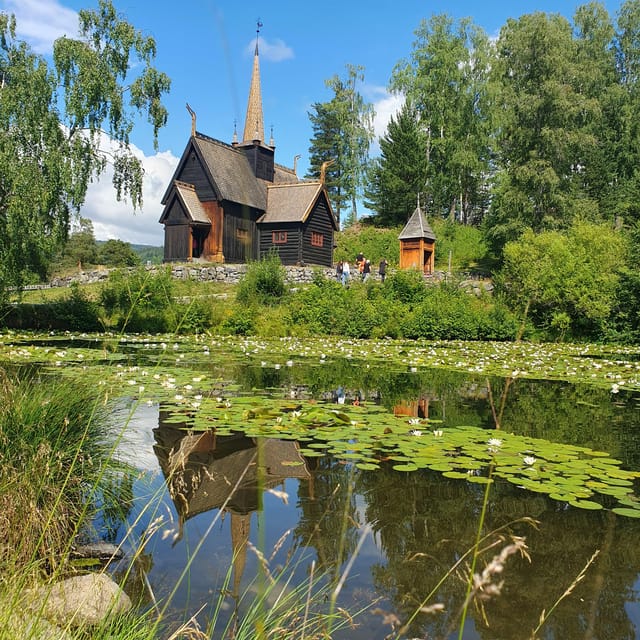
- Garmo stave church: The 1200s church is the visual highlight, with the timber construction that makes Norway’s old religious buildings so distinctive.
- A full day of history: You can combine the open-air museum with indoor exhibitions, the Olympic Museum, and, in summer, the Postal Museum.
- Best in summer: Historic houses, costumed hosts, crafts, animals, and extra food outlets are mainly part of the summer program.
- Olympic history included: The museum gives special attention to Oslo 1952 and Lillehammer 1994, with original objects, films, and interactive displays.
- Good value at $19: The ticket covers several museums, but food, drinks, and transport to Lillehammer are extra.
Start at the Visitor Center in Lillehammer
Your visit begins at the Visitor Center, where the counter and hosts can help you get oriented. The museum is designed for a full day, so I would not treat it as a quick stop between other Lillehammer sights.
Maihaugen is an open-air museum, which means the experience depends on walking between buildings. You are not simply moving from gallery to gallery. You follow paths through different parts of Norwegian life, with historic homes, farms, church buildings, and later houses spread across the grounds.
That layout gives the museum its appeal, but it can also make the day feel less tidy than a standard indoor museum visit. One visitor found there was no obvious order to follow, making it hard to know if every area had been seen. I recommend picking up a map or asking at the entrance how to organize your route before you set off.
The site is wheelchair accessible, though the open-air setting may still involve movement between buildings and changing surfaces. If access is important for you, ask the hosts which sections are easiest to reach on the day of your visit.
More museums in Norway:
- Kon-Tiki Museum Entrance Ticket
★ 4.5 · 1,096 reviews - Oslo: Paradox Museum Entry Ticket
★ 4.3 · 799 reviews - The Fram Museum Admission Ticket
★ 4.5 · 490 reviews
Garmo stave church, the museum’s essential stop
Make Garmo stave church one of your first stops. It dates from the 1200s and is one of the clearest reasons Maihaugen feels different from a normal collection of old houses.
The church shows how much skill went into early Norwegian timber construction. Its age also gives the wider museum a useful starting point. After seeing a medieval church, the later farm buildings and modern homes make more sense as part of a long story of change.
I would allow time to look at the church from outside before going in. The shape, timber work, and setting are important parts of the experience. It is not just another building to tick off on a route.
Access to historic interiors can vary by season and staffing. In winter, only a small number of houses may be open. One January visit found just four buildings accessible, with help from a German-speaking guide rather than an expected English-speaking guide. For that reason, I would plan a winter visit mainly around the indoor museums and regard any open historic houses as a bonus.
Old farms from the 16th through 18th centuries
The farm sections show rural Norway before modern roads, electric appliances, and standardized housing changed daily life. You will see buildings from the 16th, 17th, and 18th centuries, giving you a chance to compare how people lived and worked over several generations.
These structures are valuable because they connect history to ordinary routines. Instead of only seeing important people and major events, you get a sense of the homes, working buildings, and settings used by farming families.
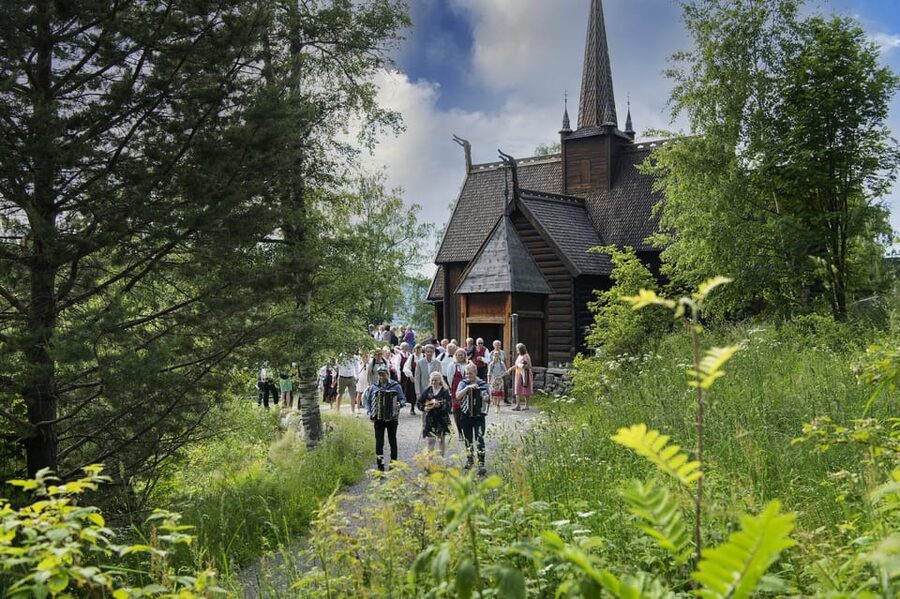
During the summer, the experience can include hosts and actors in historic houses, traditional crafts, and animals grazing near the old buildings. Those activities make the farm areas easier to understand, particularly for children. You may see how an object was made or learn why a building was arranged in a certain way instead of simply reading a label.
The summer program is the best choice if you want the open-air museum to feel active. Outside the main season, the buildings remain important, but the lack of open interiors and live demonstrations can make the grounds feel quiet.
The 1900s houses show Norway changing fast
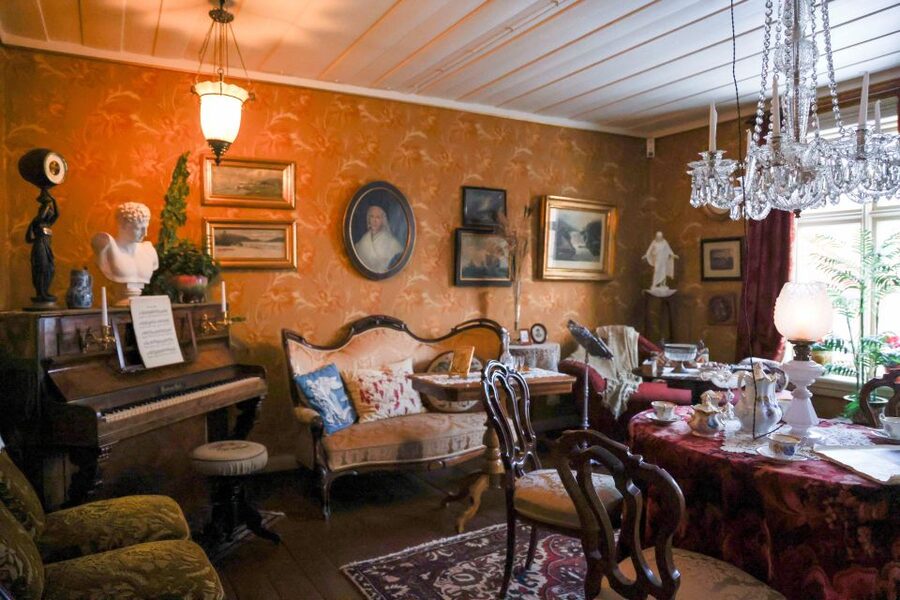
Maihaugen’s 20th-century homes are one of its smartest features. The museum includes houses from each decade of the 1900s, allowing you to see how Norwegian domestic life shifted within a relatively short time.
A medieval church and old farm are easy to recognize as history. A 20th-century house can feel familiar, which is precisely why these homes work so well. You can trace changes in design, furniture, technology, and family life without needing a long lecture.
I would not rush through this section after seeing the oldest buildings. The contrast between the traditional farms and later homes helps explain the speed of modernization in Norway. It also gives you a more complete picture than a museum focused only on picturesque old buildings.
Some people may find the outdoor areas repetitive if they expect every house to offer a completely different experience. The best way to appreciate them is to compare periods rather than inspect each building in isolation.
Same stretch of coast, a completely different day out:
- From Bergen: The Original Fjord Cruise to Mostraumen
★ 4.7 · 8,440 reviews - Tromsø: Reindeer Sledding & Feeding with a Sami Guide
★ 4.8 · 6,417 reviews - Stavanger: Scenic Fjord Cruise to Lysefjord and Preikestolen
★ 4.6 · 5,791 reviews - Oslo: Scenic Fjord Cruise with Audio Guide Commentary
★ 4.5 · 5,375 reviews
Indoor exhibitions add the historical framework
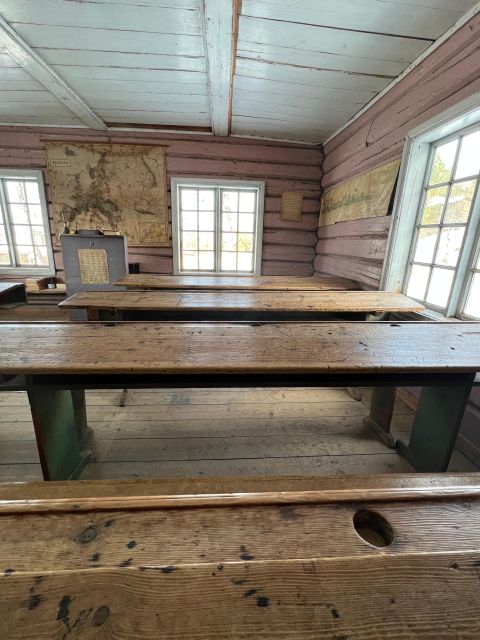
When the weather turns wet, or your legs need a break, head inside for the museum’s indoor exhibitions. The indoor displays provide the clearest overview of Norwegian history and culture, and they help connect the buildings outside.
The exhibition Impulses is part of the indoor program. The title suggests a focus on the ideas, influences, and changes that have shaped Norwegian society, while We Won the Land adds another part of the national story. The exact outdoor program can vary by season, so check what is open when you arrive.
I especially value the indoor section because it gives structure to the open-air visit. You may first see a building without knowing why it matters. After reading the background inside, you can return outdoors with a better sense of what to notice.
A visitor who found the outdoor visit limited in winter rated the indoor museum much higher because it presented the development of Norwegian history and culture in a clear way. That is useful advice. If you visit between late autumn and early spring, give the indoor exhibitions plenty of time rather than assuming Maihaugen is mainly an outdoor attraction.
The Norwegian Olympic Museum tells a different Norwegian story

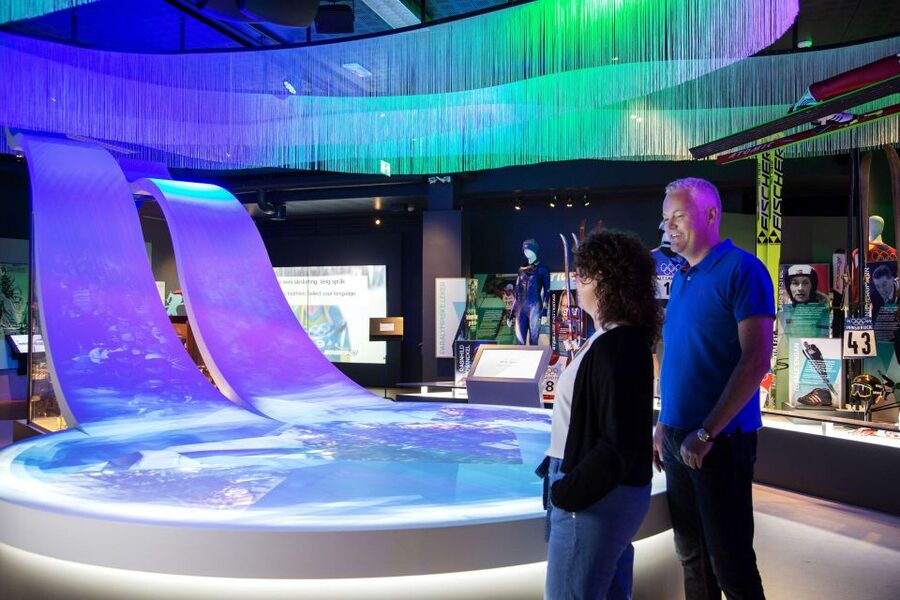
The Norwegian Olympic Museum is included in the same admission and provides a sharp change of pace from the old farm buildings. Here, the subject is sport, national pride, competition, and the way the Olympic Games have developed from ancient times to today.
The main focus is Norway’s two Olympic events: Oslo in 1952 and Lillehammer in 1994. Original objects, interactive installations, and films bring major Olympic moments into the galleries. The format is modern and accessible, even if you are not a serious sports fan.
I like this part of the visit because it connects the museum to recent Norwegian identity. The old buildings show how people lived. The Olympic Museum shows how Norway presented itself to the world in the modern era.
The Lillehammer 1994 material has particular local importance, since the event took place in the same region. You do not need to know much about Olympic history before entering. The displays are designed to explain the story through objects and film as well as text.
Set aside at least part of your afternoon for this museum. If you spend all your time outdoors, you risk missing one of the most polished parts of the complex.
Add the Norwegian Postal Museum in summer
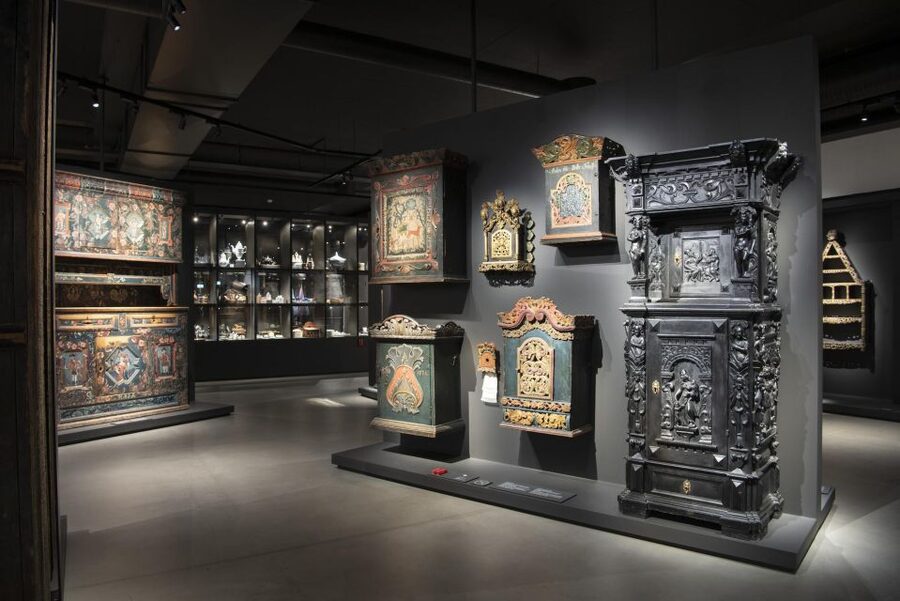
During the summer season, the ticket also includes the Norwegian Postal Museum. It has preserved and presented Norwegian postal history since 1947, giving you another look at how communication and travel developed in the country.
One distinctive exhibit is an old train with a postal carriage. That makes the Postal Museum more tangible than a display of stamps alone. You can see how the postal system connected communities and moved information across Norway.
The museum is not open throughout the year, so do not plan around it during a winter visit. In summer, it makes a useful addition after the main Maihaugen grounds, particularly if you enjoy transport history, design, or everyday technology.
Summer brings the museum to life
Maihaugen is open year-round, but summer is when the full open-air experience is most likely to work as intended. Historic houses may have hosts or actors, craftspeople may demonstrate traditional work, and farm animals may be out among the buildings.
These details matter because an open-air museum can otherwise feel like a collection of locked structures. Live activity gives you a reason to pause and look more closely at tools, rooms, building methods, and daily routines.
Summer also brings extra places to eat around the grounds. The main cafeteria in the building is open all year, but the additional seasonal food outlets make it easier to spend most of the day on site.
Do not assume every activity runs every day or in every season. The outdoor exhibitions and programs vary, so ask at the Visitor Center about what is available on your date.
The Christmas Market is a separate seasonal reason to visit
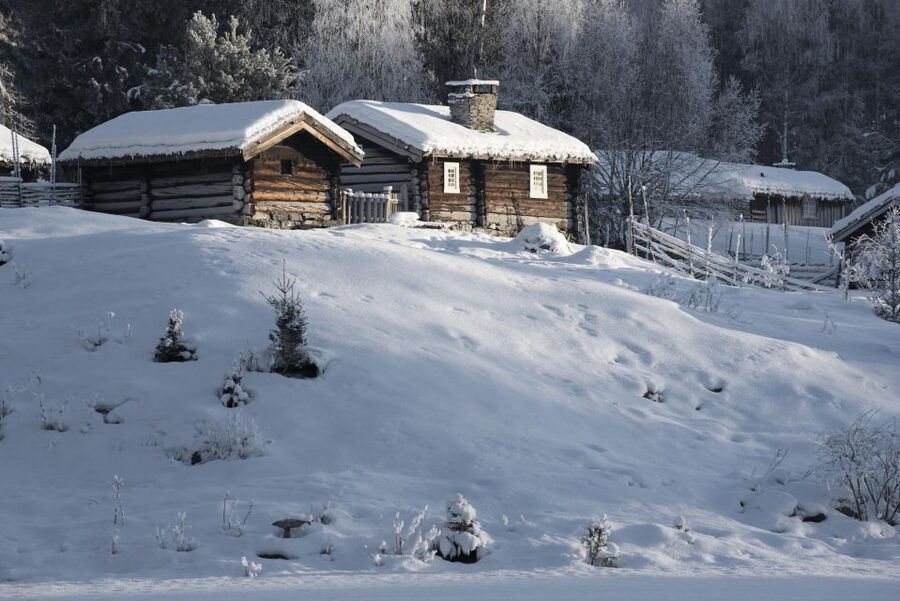
On the first weekend of Advent, Maihaugen holds its Christmas Market. Historic houses from different periods are decorated, and the grounds turn into a setting for shopping and family activities.
The stalls feature Norwegian crafts, handmade products, local food, and Christmas decorations. If you want gifts with a local connection rather than standard souvenir-shop items, this can be a strong time to visit.
The market is different from a normal museum day. You will still have the historic setting, but the main draw is the combination of seasonal atmosphere, shopping, food, and decorated buildings. Check the event dates before planning around it, since the market is tied to that specific Advent weekend.
Food, the shop, and the cost of a full day
The admission price is about $19 per person. That is a fair price if you use the ticket for a substantial visit, since it includes the Maihaugen open-air museum, indoor exhibitions, outdoor exhibitions available during the season, the Norwegian Olympic Museum, and the Norwegian Postal Museum in summer.
The value is weaker if you arrive late, see only the stave church, and leave. I would think of this as a one-day museum ticket, not a quick attraction ticket.
Food and drinks are not included. The main cafeteria is open throughout the year, and summer adds more places to eat around the grounds. The museum shop sells quality design products, which fits the setting better than a shop stocked only with generic souvenirs.
Transportation to and from the museum is also not included. You need to arrange your own way to Lillehammer and the museum entrance, then begin at the Visitor Center.
The booking terms are useful for flexible plans. You can cancel up to 24 hours ahead for a full refund, and you can reserve now and pay later. The ticket is valid for one day, with availability and starting details shown when you choose a date.
Who will enjoy Maihaugen most?
I would recommend Maihaugen to families, history fans, architecture lovers, and anyone who wants more context for Norwegian culture than a city walk can provide. Children may respond best to the animals, actors, crafts, and range of buildings, while adults can spend longer with the exhibits and Olympic displays.
It also suits a Norway road trip well. One useful strategy is to visit Maihaugen near the start of your journey, since the museum gives you background on Norwegian society that can make later stops easier to understand.
You should allow a full day if you want to see the open-air grounds, indoor exhibitions, and Olympic Museum without hurrying. If your schedule allows only two or three hours, choose your priorities in advance: Garmo stave church, the indoor museum, and the Olympic Museum are the safest core choices.
The museum is less suitable if you want a tightly directed tour with a guide leading a group from stop to stop. English is available from hosts or greeters, but this is mainly a self-guided museum visit. You set the pace and choose the route.
Should you book Maihaugen?
Book Maihaugen if you want a broad picture of Norway, from medieval timber buildings to 20th-century homes and Olympic history. The $19 admission is good value when you spend most of the day there, especially in summer when the historic houses, crafts, animals, extra food outlets, and Postal Museum are available.
Choose your date carefully. Summer gives you the fullest open-air experience, while winter can leave many houses closed. A cold-season visit can still work if you focus on the indoor exhibitions and Norwegian Olympic Museum, but I would not travel there in winter expecting every historic building to be open.
FAQ
How long is the Maihaugen ticket valid?
The admission is valid for one day. You should plan enough time to see the open-air grounds and at least some of the indoor museums.
Is the Norwegian Olympic Museum included?
Yes. Admission to the Norwegian Olympic Museum is included with the Maihaugen ticket.
Is the Norwegian Postal Museum included?
Yes, but it is open and included during the summer season only.
Is Maihaugen open all year?
Yes, Maihaugen is open all year. The open-air activities, historic house access, and outdoor exhibitions vary by season, with the fullest program during summer.
Is the museum wheelchair accessible?
Yes, the activity is listed as wheelchair accessible. Since Maihaugen covers an open-air site with many buildings, ask the Visitor Center which areas are easiest to reach on your visit.
Can I cancel or pay later?
You can cancel up to 24 hours in advance for a full refund. You can also reserve your place and pay later.
Just added around Norway
- Vossevangen: Nærøyfjord Full-Day Guided Kayaking Trip★ 4.8 · 4 reviews
- Ulvik adventure: Exploring Hardangerfjord’s Osafjord by RIB★ 4.8 · 5 reviews
- From Honningsvåg: VIP North Cape and Kingcrab Tour★ 4.4 · 93 reviews
- From Svolvær: Whale Watching Day Trip to Andenes★ 3.8 · 27 reviews
- Vik i Sogn: Authentic Farm Visit★ 5.0 · 3 reviews
- Ulvik: Hardangerfjord Ultimate RIB Tour★ 4.7 · 39 reviews
- Trondheim Like a Local: Customized Private Tour★ 4.7 · 92 reviews
- Trondheim: City Bus Tour★ 4.1 · 31 reviews
Museums, compared.

Troll Museum Entry Ticket with AR Media Experience
Read our review →

Aksla-Alnes-Giske-Sunnmøre museum 100 % Highlights 4.5 H
Read our review →Browse the lists this tour appears in