
Reviewed · MUSEUMS
The Fram Museum Admission Ticket
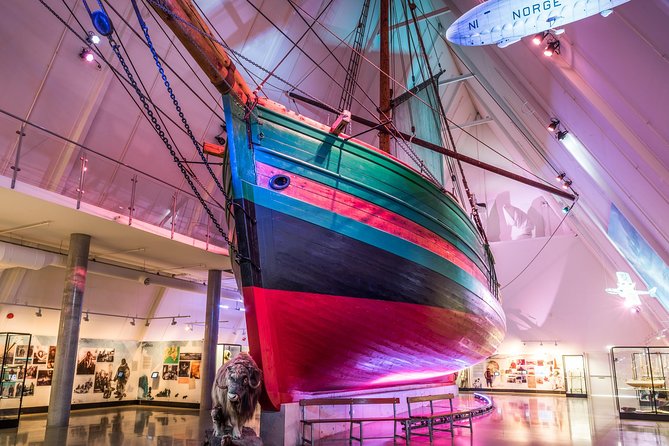
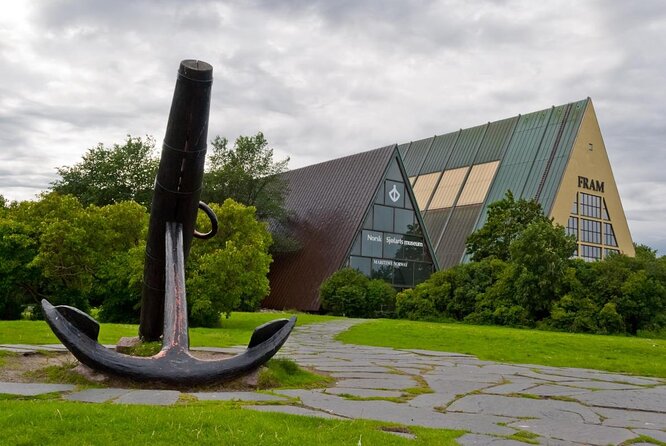
The most remarkable part of Oslo’s Fram Museum is wonderfully simple: you can walk aboard the original Fram, the ship that carried Norwegian polar explorers into some of the harshest places on earth. You can inspect cramped cabins, engine spaces, working areas, and the lower parts of the ship instead of viewing it from behind glass.
I like the museum’s clear expedition displays, which explain the routes, crews, and equipment before you board. I also like the Gjøa building, where a second original ship and exhibits on the Northwest Passage, Maud, aviation, and the High North broaden the story. The main consideration is time: a quick visit can be done in about an hour, but two to three hours makes far more sense if you want to read the panels and watch the films.
Key points to know before you go
- Walk through two original polar ships: Explore Fram and Gjøa, including cabins, decks, engine areas, and crew spaces.
- See the ship that conquered the Northwest Passage: Gjøa was the first vessel to navigate the entire passage.
- Start with the films: A polar introduction film runs every 15 minutes in a 116-seat cinema.
- Read at your own pace: Main exhibition text is available in ten languages.
- Allow two hours for a proper visit: The ships are the main draw, but the maps, objects, films, and expedition displays add much of the value.
- Book for convenience, not a major discount: The admission price is about $19.38, and the mobile ticket gives you prepaid entry.
Why Fram is more than a ship museum
The Fram Museum tells the story of people who chose to spend months or years in wooden ships, far from ordinary help, with cold, darkness, storms, and uncertain routes ahead. The original Fram makes that idea physical. Its tight interior shows how little private space the crew had and how much of daily life depended on careful planning.
Fram was used for three great expeditions. The museum explains those journeys through maps, photographs, objects, and wall displays, so you can connect the ship in front of you with the wider story of polar exploration.
I find this approach more useful than a museum made up only of portraits and dates. Once you step into the ship, the expeditions stop feeling like distant textbook events. The narrow rooms and practical equipment give you a better sense of the work involved.
The museum is not a guided tour. You move through it independently, reading the displays and choosing how long to spend in each area. That suits curious visitors who like to set their own pace, though the amount of information can feel less ordered if you simply wander without a plan.
More Museums in Oslo
- Kon-Tiki Museum Entrance Ticket
★ 4.5 · 1,096 reviews - Oslo: Paradox Museum Entry Ticket
★ 4.3 · 799 reviews - Oslo: Oslo Discovery Tour with 2 Museums Included
★ 4.6 · 334 reviews
Boarding Fram and seeing life below deck
Fram is the main attraction, and rightly so. You can walk through the vessel and see the rooms where the crew lived and worked. The displays help explain the ship’s role in the expeditions, while the preserved spaces show the limits of life on board.
The lower parts of the ship are especially effective. You can see the engine room and other working areas, then compare those practical spaces with the crew quarters. Moving between decks gives you a physical sense of how the ship functioned as home, workplace, storage area, and transport all at once.
Some staged areas recreate parts of the ship’s daily life. Objects and fittings help you imagine the routine of the men who lived there, although the museum does not require you to accept a scripted interpretation. You can pause, read, and look closely at the construction.
The ship can become busy, particularly when several school groups or tour parties arrive. Narrow passages are not ideal for stopping at length, so visit early if you want quieter photographs and easier movement. One useful approach is to read the main wall panels first, then board Fram once you understand which expedition details you are looking for.
The ship’s preserved condition is the great value here. A modern replica could show the layout, but the original vessel gives the visit a different weight. You are looking at the actual ship connected with the expeditions, not a set built to suggest one.
Following Gjøa into the Northwest Passage
A tunnel links the original Fram building with the Gjøa building. This second section gives the museum a wider reach, moving beyond Fram’s three expeditions to other voyages and forms of polar travel.
The centerpiece is Gjøa, the first ship to navigate the entire Northwest Passage. You can board this ship as well, giving you another chance to examine the practical realities of polar travel. Seeing two original ships in one museum lets you compare their spaces and the different stories attached to them.
The Gjøa building also covers the expeditions of Gjøa and Maud. It includes material on the N24 and N25 aircraft, the airship Norge, John Franklin’s legendary expedition, and the work of Henry Larsen and Eivind Astrup.
That wider scope matters if you already know the basic Fram story. You can spend your first hour on the famous ship, then use the second building to see how polar exploration developed through ships, airplanes, and airships.
The displays also address present-day issues in the High North, including polar bears, melting ice, gas, and oil. This section connects early exploration with current concerns. It keeps the museum from treating the Arctic as only a heroic setting from the past.
Films, storms, ice, and the N25 flight
The cinema adds movement and atmosphere to an otherwise object-focused museum. A polar introduction film plays every 15 minutes in a 116-seat cinema, so you do not need to build your visit around a single showtime.
One film includes a stormy weather sequence and icebergs. When combined with the ship setting, this helps you picture the conditions the crew faced. The storm effects are particularly useful for families and for anyone who finds maps and written accounts hard to visualize.
The museum also includes the N25 Flight 4D Cinema. The supplied admission includes Gjøa and the N25 cinema, so check the current presentation schedule when you enter and fit it into your route.
A practical tip: start with the polar film if you want a quick sense of the museum’s overall story. The exhibitions are packed with information, and the film can help you understand the routes and hazards before you begin reading the detailed panels.
The films are not a replacement for the ships. They work best as a supplement, giving you weather, motion, and atmosphere before or after the quieter displays. If the cinema area is closed during your visit, you may miss a substantial part of the museum’s presentation, so ask at the entrance about current access.
A few more Oslo half-days to weigh up
- Oslo: Scenic Fjord Cruise with Audio Guide Commentary
★ 4.5 · 5,375 reviews - Oslo Nature Walks: Island Hopping Tour
★ 4.8 · 2,713 reviews - Oslo: 100% Electric Oslofjord Sightseeing Cruise
★ 4.4 · 2,041 reviews - Oslo: Fjord Evening Cruise with Shrimp Buffet
★ 4.5 · 1,956 reviews
How long you should plan to stay
The official estimate is one to three hours. I would plan on two hours for most adults, with more time if you read every panel or have children who want to try the interactive features.
Here is a sensible way to divide the visit:
- Begin with the polar introduction film, if the timing works.
- Read the main Fram expedition displays and study the maps.
- Board Fram and explore the decks, cabins, engine room, and lower areas.
- Use the underground tunnel to reach the Gjøa building.
- Explore Gjøa and the exhibits on Maud, aviation, the airship Norge, and later Arctic journeys.
- Finish with the High North displays and the N25 4D film.
A rushed hour will still give you the main ships, but you will have little time for the expedition accounts. The museum rewards patience because the objects and route maps add context to what you see on board.
If you arrive when the museum opens at 10:00 a.m., you have the best chance of moving through Fram before it becomes crowded. Opening hours are listed as 10:00 a.m. to 5:00 p.m., Monday through Sunday, for the stated operating period. Give yourself enough time before closing if you want to see both buildings.
What the $19.38 admission is worth
At about $19.38 per person, this is a reasonable Oslo museum ticket, especially because you are not only looking at exhibits. You can board two original ships, explore their interiors, see films, and spend several hours with the displays.
The value is strongest for anyone interested in polar travel, maritime design, Norwegian exploration, or the practical side of life at sea. The original Fram alone gives the ticket a strong center. Gjøa makes the visit more worthwhile by adding another ship and a second set of expeditions.
The prepaid mobile ticket offers a small convenience rather than a dramatic saving. The ticket price is reported to be the same as buying in person, but having admission ready on your phone can save a little time at the entrance. Confirmation is provided when you book.
Food and drinks are not included. Plan to eat before or after the visit rather than expecting admission to cover refreshments. The museum is near public transportation, but its location can feel somewhat removed from central Oslo, so check your route and allow time for the journey.
The booking information lists a maximum of 14 travelers for this activity. Since this is admission rather than a traditional guided outing, that number may matter mainly for the booking arrangement. You explore the museum on your own rather than following a named guide.
The strongest parts of the visit
The most praised feature is the ability to walk through Fram and see the ship from the inside. That experience does more than provide a photo opportunity. It shows how the crew’s sleeping, working, and storage areas fit together, and how limited the available room was.
The second major strength is the amount of original material. The ships are supported by historical objects, maps, photographs, and expedition displays, so you can move from the physical vessel to the people and routes connected with it.
Families have plenty to look at, including interactive elements, films, the storm presentation, and the cold-themed walk-through features. Children who enjoy ships and machines may find the engine room and lower areas especially appealing.
The gift shop includes a selection of books and other reading material. If you want to understand more after leaving, this is a useful stop, particularly because the museum covers more expeditions than you can absorb in one pass.
A few practical weaknesses deserve attention. Some areas can be dimly lit, and busy periods make the ship passages harder to explore slowly. The museum’s layout may not tell its story in a perfectly linear order, so I recommend beginning with the film and using the maps to keep the expeditions straight.
Who will enjoy Fram most
I would choose this museum for anyone with an interest in the polar regions, Norwegian exploration, ships, engineering, or expedition planning. It also works well for families because you are doing more than looking at framed material. You can move through the ships and see their machinery and interiors.
It suits independent visitors who like to read and pause. You do not need a guide, and the explanatory text in ten languages makes it accessible to a broad audience. English is offered for the mobile ticket and the museum information includes multilingual labels.
You may enjoy it less if you want a short, polished attraction with a simple beginning, middle, and end. The displays cover many expeditions and the layout can require some self-direction. If you have only 30 minutes, you will see the ships but miss much of the context that makes them meaningful.
Service animals are allowed with identification. The information provided says most people can participate and notes proximity to public transportation. For current access to specific ship sections, cinema areas, or walk-through features, confirm at the entrance, since one section may occasionally be closed.
Cancellation and planning details
You can cancel for a full refund up to 24 hours before the local start time. Changes or cancellations made less than 24 hours before the experience are not accepted for a refund, and a late arrival or missed visit may not be recoverable.
The mobile ticket is useful if you are fitting the museum between other Oslo plans. Still, do not book the last possible slot if your arrival time is uncertain. The museum is open until 5:00 p.m., but you need time to reach it and explore both buildings.
Should you book the Fram Museum?
Yes, if you have at least two hours in Oslo and the original ships appeal to you. Fram is the reason to go, but Gjøa, the films, aircraft displays, and current High North material make the visit broader than a single-ship exhibit.
Book it if you want a self-guided museum with real objects, physical access to historic vessels, and enough detail for adults without leaving children with nothing to do. Go early for easier movement and start with the film to make the exhibitions easier to follow.
Skip it only if your schedule is extremely tight or you have little interest in ships and polar exploration. At about $19.38, the admission is fair, and the chance to walk through the original Fram gives this museum a strong claim on your Oslo itinerary.
FAQ
Where is the Fram Museum located?
The Fram Museum is in Oslo, Norway. It is near public transportation, although the location may feel somewhat removed from central Oslo.
How much does admission cost?
The listed price is $19.38 per person.
How long does a visit take?
The estimated visit length is one to three hours. Plan about two hours if you want to explore both ships, read the displays, and watch the films.
Can I board the ships?
Yes. Admission includes access to Gjøa, and the museum allows you to walk through the original Fram and Gjøa ships.
What is included with admission?
Admission includes Gjøa and the N25 Flight 4D Cinema. The museum also includes access to the Fram building and its exhibitions.
Are food and drinks included?
No. Food and drinks are not included in the admission ticket.
What are the opening hours?
The stated opening hours are 10:00 a.m. to 5:00 p.m., Monday through Sunday, during the listed operating period.
Is the ticket available on a mobile phone?
Yes. The experience offers a mobile ticket, and confirmation is provided at the time of booking.
Can I cancel for a refund?
Yes. You can cancel at least 24 hours before the experience’s local start time for a full refund. Cancellations and changes made less than 24 hours before the start time are not accepted for a refund.
Just added around Oslo
- The Viking Planet Museum – Mini Group (4 adults)★ 4.0 · 16 reviews
- Oslo Winter Highlights Bike Tour★ 5.0 · 36 reviews
- 4 hours Best View of the Oslofjord Winter Edition★ 4.0 · 15 reviews
- Unknown war. Oslo and Norway during 1940-45★ 5.0 · 74 reviews
- The Scenic Roadtrip, Oslo to Bergen via Flam & the Fjords★ 5.0 · 25 reviews
- Fjord Houseboat Cruise in Oslo. 100 % electric. BYO★ 5.0 · 3 reviews
- The Ultimate Norwegian Skiing Experience★ 5.0 · 16 reviews
- 3 Hours Walking Tour for Great Food in Oslo★ 5.0 · 32 reviews
Museums, compared.
Troll Museum Entry Ticket with AR Media Experience
Read our review →

Aksla-Alnes-Giske-Sunnmøre museum 100 % Highlights 4.5 H
Read our review →
Browse the lists this tour appears in