
Reviewed · MUSEUMS
Art and Museum Tour of Oslo
Oslo’s art story is much bigger than Edvard Munch’s The Scream. This private four-hour walk links the city’s major districts with a museum visit chosen around your interests, so you can pair Norwegian painting with a medieval fortress, the harbor, or even Viking and polar exploration.
I like the one-group format, which allows up to 10 people to move at a sensible pace, and I like the freedom to choose one or two museums rather than being locked into one set route. The main thing to watch is the museum plan: entrance fees are extra at 100 kr per person, and one previous guest specifically wished the National Museum had been included.
Key points at a glance
- Choose your museum focus: Pick from the National Gallery, Astrup Fearnley, or museums on Bygdøy.
- See old and new Oslo together: The route can include Akershus Fortress, Kvadraturen, Aker Brygge, and the Opera House.
- Learn from an art historian: Your guide explains Norwegian art rather than simply pointing out famous buildings.
- Private touring matters: Only your group participates, with space for up to 10 people.
- Allow for extra costs: Museum entry is listed at 100 kr per person, while the guide service is included.
- Ask for the right route: Vigeland Park and Bygdøy require transport or extra planning within the four-hour window.
A four-hour introduction to Oslo through art
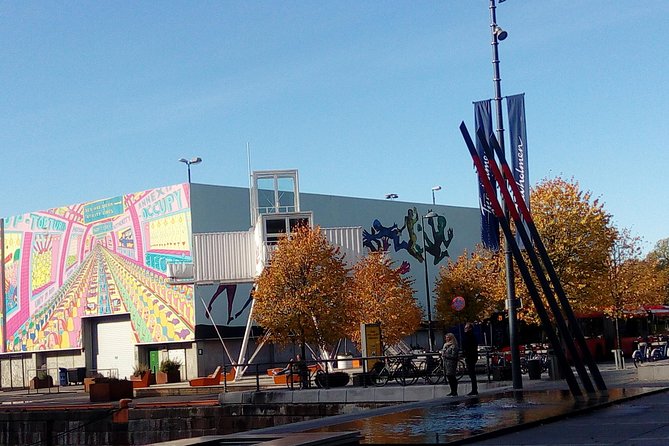
I see this experience as a useful answer to a common Oslo problem: the city has several worthwhile museums, but they are spread across different areas and do not all tell the same story. A good guide can give you a clear thread, moving from royal and civic Oslo to modern art, maritime culture, and sculpture.
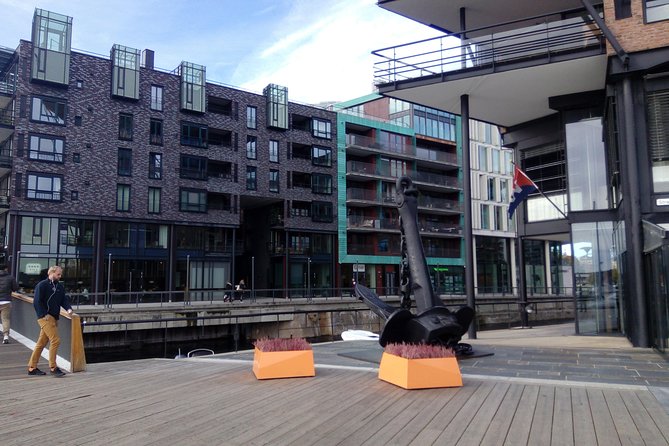
The tour begins as a walking city tour through central Oslo. The route includes Aker Brygge, the Royal Palace, Parliament, the city’s principal streets, Akershus Fortress, and Kvadraturen, the grid-like center associated with Oslo’s 17th-century rebuilding.
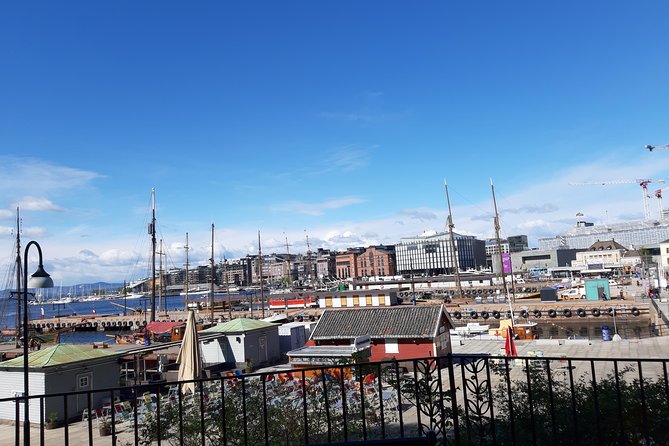
That combination is important. You are not spending four hours indoors while missing the city around you. Instead, the buildings and public spaces provide a setting for the art museums. I like this approach because Oslo’s identity is tied to both its cultural collections and its physical relationship with the harbor.
The pace and exact order can change according to your museum choice. That flexibility is useful, but it also means you should discuss priorities with the guide before setting off. If you want both Bygdøy and Vigeland Park, for example, the available time for central Oslo museums becomes tighter.
More Museums in Oslo
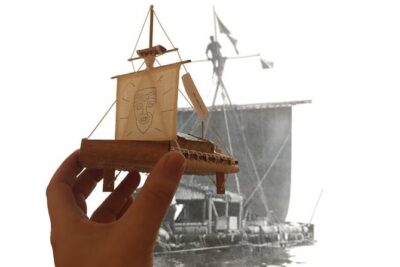
- Kon-Tiki Museum Entrance Ticket
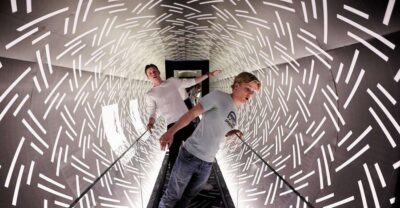
★ 4.5 · 1,096 reviews - Oslo: Paradox Museum Entry Ticket
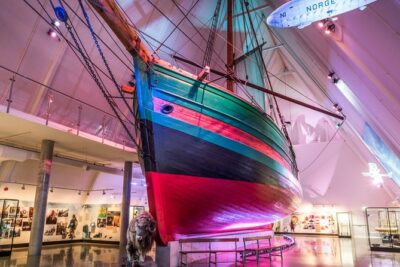
★ 4.3 · 799 reviews - The Fram Museum Admission Ticket
★ 4.5 · 490 reviews
Choosing between Munch, modern art, and museum islands
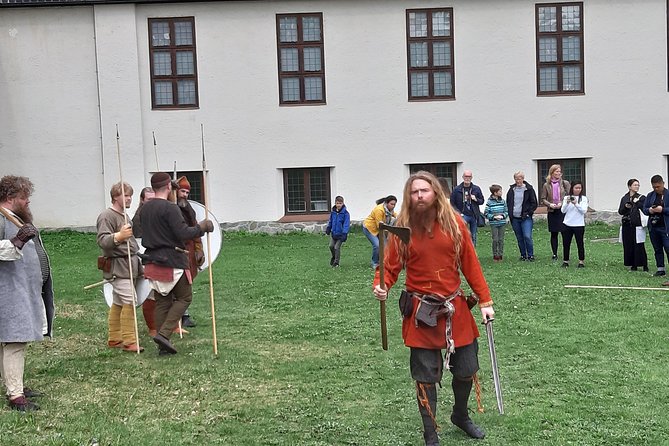
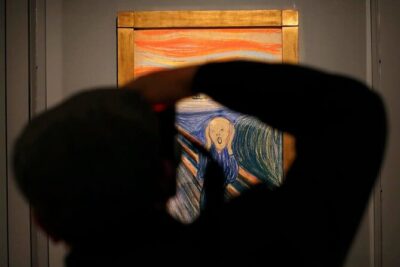
The National Gallery is the obvious choice if your main goal is Norwegian painting. The route is described as including Edvard Munch’s The Scream, along with more of his work and French Impressionist paintings. For many first-time visitors, this gives the clearest introduction to the art side of the tour.
I would choose this museum if you want a traditional museum visit with recognizable works and a strong connection to Norway’s best-known artist. Ask your guide exactly which National Museum or gallery collection is operating at the time of your visit, since the supplied details refer to the National Gallery while one piece of guest feedback specifically requested the National Museum. That small distinction is worth clearing up before booking or at the start of the tour.
The Astrup Fearnley Museum offers a different experience. It is a private museum of modern art, so it suits you if you prefer newer work and want something beyond the standard Munch itinerary. The information provided does not promise a particular exhibition, so your guide’s explanation will matter here. A private art historian can help you place unfamiliar works in context instead of leaving you to guess what you are looking at.
The Bygdøy peninsula gives you another set of choices. You can select the Viking Ship Museum, Kon-Tiki, the Fram polar ship, or the Museum of Wooden Architecture. These are not all art museums in the narrow sense, but they widen the story of Norway through design, craft, exploration, ships, and cultural memory.
I like that the tour does not force every person into the same definition of art. You might care most about painting, while someone else in your group wants to see the Fram or learn about the Kon-Tiki expedition. The private format makes that discussion possible.
Museum entry is listed at 100 kr per person. The experience itself is priced at $445.68 per group of up to 10, with admission tickets listed separately. For a full group, that can offer decent value because you are paying for a private guide rather than buying separate seats on a large shared tour. For one or two people, the cost is harder to justify unless personal guidance is a priority.
Akershus Fortress and Oslo’s older city
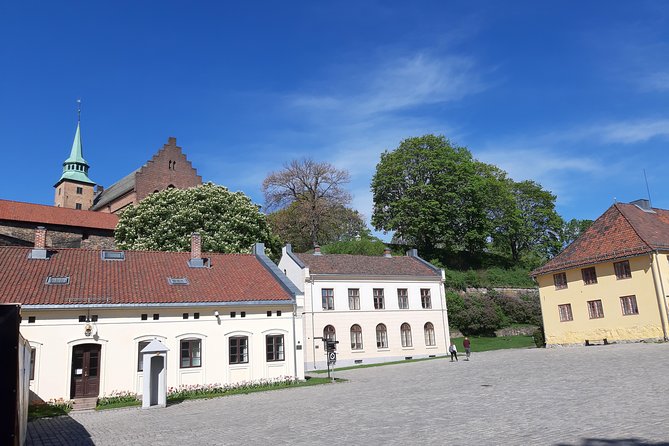
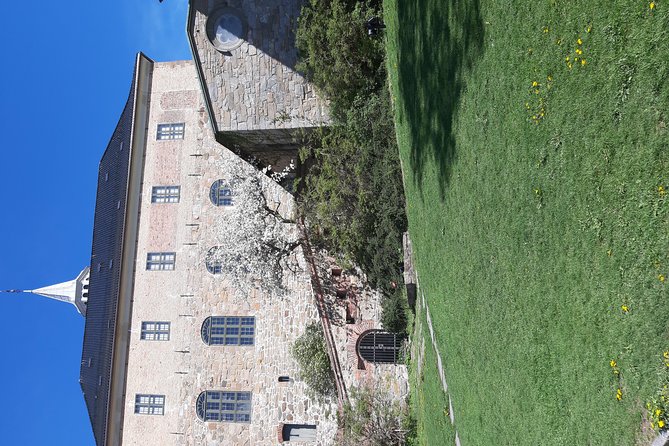
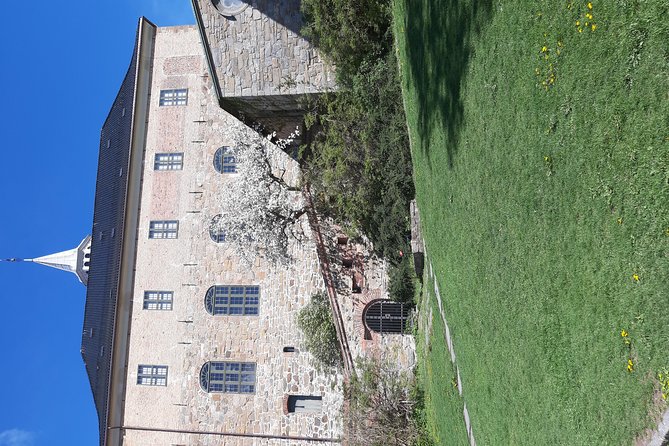
Akershus Fortress gives the tour a strong historical anchor. The route includes this medieval site before or alongside the newer parts of Oslo, helping you see how the city grew around defense, government, trade, and the waterfront.
I appreciate the contrast here. The museum choices can feel polished and formal, while the fortress connects Oslo to its earlier foundations. The supplied details do not promise a long interior visit or a special fortress admission, so you should think of it primarily as a historic stop within the wider walk.
Kvadraturen, the city center associated with the 17th century, adds another layer. Its planned streets make a useful counterpoint to the older fortress and the later civic buildings. Your guide can connect this part of the city to the Royal Palace, Parliament, and the main streets without turning the entire morning into a lecture.
This is one reason I would not book the experience only for a museum. The value comes from the links between locations. You are getting a city orientation, an art lesson, and a chance to decide which parts of Oslo deserve more of your own time later.
Aker Brygge, the Opera House, and the harbor edge
Aker Brygge is included among the tour’s main attractions. Its harbor setting gives the walk a more contemporary feel after the fortress and older city center. It is also a practical stop for understanding Oslo’s connection to the water.
The new National Opera House can be added to the route. The supplied details do not promise a performance or an interior tour, so treat it as an architectural and city sight rather than an evening at the opera. If you enjoy modern buildings, this is a worthwhile request to make when you plan the route.
I would ask the guide how the Opera House fits with your chosen museum. Four hours sounds generous, but central Oslo, Bygdøy, and Vigeland Park are not all next door to one another. A clear plan will help you avoid spending too much of the tour moving between stops.
A few more Oslo half-days to weigh up
- Oslo: Scenic Fjord Cruise with Audio Guide Commentary
★ 4.5 · 5,375 reviews - Oslo Nature Walks: Island Hopping Tour
★ 4.8 · 2,713 reviews - Oslo: 100% Electric Oslofjord Sightseeing Cruise
★ 4.4 · 2,041 reviews - Oslo: Fjord Evening Cruise with Shrimp Buffet
★ 4.5 · 1,956 reviews
Bygdøy and the choice between Viking ships and polar travel
Bygdøy is presented as a museum area, though the supplied details also note that it is not truly an island. You can reach the peninsula as part of the tour and choose among several museums there.
The Viking Ship Museum is the natural pick if you want early Scandinavian seafaring and ship design. Kon-Tiki shifts the focus to modern exploration, while Fram centers on the polar ship and Norway’s role in Arctic and Antarctic expeditions. The Museum of Wooden Architecture gives you a look at building traditions and craftsmanship.
I would not try to see every Bygdøy museum during this four-hour experience. Choose one, perhaps two if your group is focused and the route allows it. Each museum deserves enough time for your guide to explain what matters, and rushing through several collections would weaken the point of hiring an art historian.
The Bygdøy option suits you best if you have already seen central Oslo or if museum objects matter more to you than a broad city walk. If this is your first few hours in Oslo, I would lean toward a central route with one major museum, then return to Bygdøy later if your schedule allows.
Vigeland Park requires a practical decision
Vigeland Park can be added to the itinerary, but it takes about 10 minutes by tram to reach. That travel time is only part of the equation. You also need time in the park, plus enough room for the central landmarks or museum you selected.
The park is a strong choice if sculpture is your main interest. It gives the tour an outdoor art component, and it changes the day from a museum-heavy visit into a broader look at Norwegian public art.
I would not add Vigeland Park automatically. Ask yourself what you want most: Munch, modern art, ships, historic Oslo, or sculpture. The private guide can adjust the route, but four hours still has a limit. Picking two main priorities will give you a better experience than trying to collect every attraction.
What the private guide adds
The guide is described as a Blue Badge, professional, and professional art historian guide. The experience may be operated by a multilingual guide. In practical terms, you are paying for interpretation and route planning, not simply transportation between museums.
One guide named in the feedback is Tanya. She was described as thorough and conscientious, and she took time to show the group the museums. Another account says Tanya met the group at Hotel Continental and gave exact directions for reaching the starting point, then helped them focus on the museum area they wanted to see.
Those details point to the kind of service this tour aims to provide: a guide who can communicate clearly, adjust the plan, and give a group enough attention. Still, guide quality can vary, and no tour can guarantee the same individual on every date. If Tanya is important to you, ask Quality Tours if she is available before booking.
The private setup is especially useful for families, couples with different interests, or a small group arriving from a cruise ship. You can decide how much time to spend discussing one painting or historical site without waiting for a large group.
Price, timing, and who gets good value
The listed cost is $445.68 per group of up to 10 people. Museum admission is not included and is listed at 100 kr per person. The guide service, professional guiding, and art historian expertise are included.
For six to 10 people, the per-person price becomes more reasonable. You also avoid the compromises of a large group, where the route and pace are fixed. For two people, the cost is a significant splurge, but it may be worthwhile if you want a tailored art lesson and a private city introduction.
The average booking lead time is 86 days. I would not read that as a rule, but it does suggest that you should reserve early if you are visiting during a busy season or arriving on a cruise schedule.
Pickup is offered, and the tour has a mobile ticket. The experience operates near public transportation, which matters because tram travel may be needed for Vigeland Park. Smart casual dress is requested.
Cruise ship passengers must provide the ship name, docking time, disembarkation time, and re-boarding time when booking. You should build in a safe margin, since no refund is provided if the activity is missed because your ship arrives late or you do not return on time.
The best route for different kinds of visitors
I would recommend the central route with the National Gallery for a first visit focused on Norwegian art. It covers the Royal Palace, Parliament, Akershus Fortress, Kvadraturen, Aker Brygge, and Munch in one compact introduction.
Choose Astrup Fearnley instead if contemporary art interests you more than famous historical paintings. Ask for Vigeland Park if outdoor sculpture is a priority, but accept that another museum or central stop may need to be dropped.
Choose Bygdøy if your group has a clear interest in ships, exploration, or wooden architecture. The Fram and Kon-Tiki options are especially different from a standard art museum, which makes them a good fit for people who want a broader cultural visit.
I would be cautious about booking this tour if you want a fixed, museum-only schedule with guaranteed entry to one particular collection. The route is designed to be adjusted, and that flexibility works best when you communicate your priorities.
Should you book the Oslo Art and Museum Tour?
Book it if you want a private introduction to Oslo that connects art with the city’s streets, fortress, harbor, and museums. It is particularly well suited to a group of up to 10 people, a cruise visitor with limited time, or anyone who would rather ask questions than follow a set group route.
Before paying, decide which one or two museums matter most and confirm how the National Gallery or National Museum fits into the plan. Also remember the separate 100 kr museum fee and the time needed for Bygdøy or Vigeland Park.
The strongest reason to book is the ability to shape the day with an art historian guide. The main caution is that four hours cannot cover every Oslo highlight. Choose carefully, and this can be a smart, personal way to get your bearings and find the collections you want to explore further.
FAQ
How long does the Art and Museum Tour of Oslo last?
The tour lasts approximately four hours.
How much does the private tour cost?
The listed price is $445.68 per group, with up to 10 people permitted in the group.
Are museum entrance fees included?
No. Museum entrance fees are listed at 100 kr per person. The admission ticket is otherwise listed as free in the tour details, so confirm the exact museum cost when planning your visit.
Which museums can I choose?
You can choose the National Gallery, Astrup Fearnley Museum of Modern Art, or one of the museums on the Bygdøy peninsula. Bygdøy choices include the Viking Ship Museum, Kon-Tiki, Fram, and the Museum of Wooden Architecture.
Is hotel pickup available?
Pickup is offered. One account describes meeting at Hotel Continental, but you should confirm your exact meeting instructions after booking.
Is this a private tour?
Yes. Only your group participates in the activity.
Can cruise ship passengers book this experience?
Yes. Cruise ship passengers must provide the ship name, docking time, disembarkation time, and re-boarding time when booking. No refund is provided if the tour is missed because the ship arrives late or the passenger does not arrive back in time.
Can I cancel for a full refund?
Yes. You can cancel at least 24 hours before the start time for a full refund. Cancellations or changes made within 24 hours are not accepted and are not refunded.
Just added around Oslo
- The Viking Planet Museum – Mini Group (4 adults)★ 4.0 · 16 reviews
- Oslo Winter Highlights Bike Tour★ 5.0 · 36 reviews
- 4 hours Best View of the Oslofjord Winter Edition★ 4.0 · 15 reviews
- Unknown war. Oslo and Norway during 1940-45★ 5.0 · 74 reviews
- The Scenic Roadtrip, Oslo to Bergen via Flam & the Fjords★ 5.0 · 25 reviews
- Fjord Houseboat Cruise in Oslo. 100 % electric. BYO★ 5.0 · 3 reviews
- The Ultimate Norwegian Skiing Experience★ 5.0 · 16 reviews
- 3 Hours Walking Tour for Great Food in Oslo★ 5.0 · 32 reviews
Museums, compared.
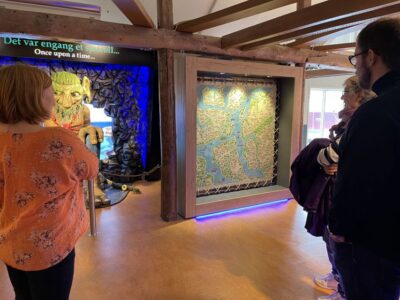
Troll Museum Entry Ticket with AR Media Experience
Read our review →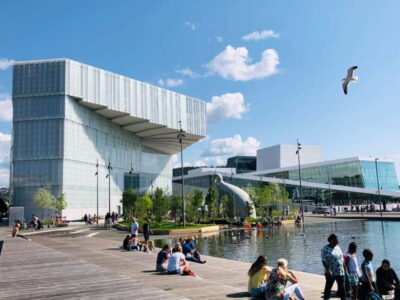
Aksla-Alnes-Giske-Sunnmøre museum 100 % Highlights 4.5 H
Read our review →Browse the lists this tour appears in