
Reviewed · TICKETS
Norsk Folkemuseum Oslo Private Tour & Skip-the-Line Tickets
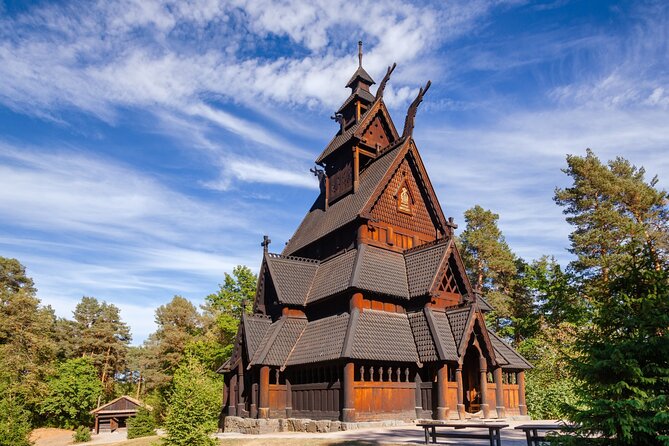
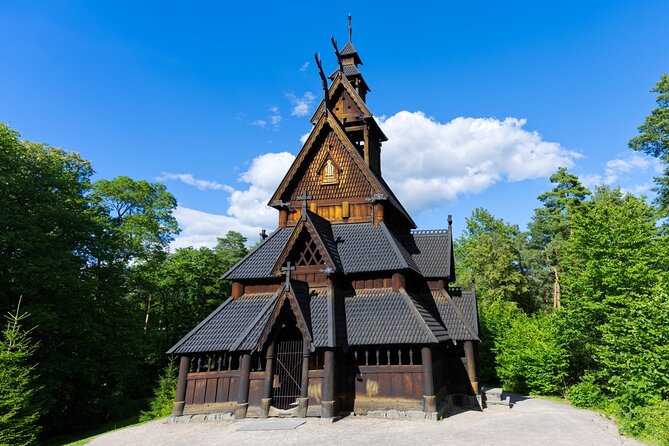
The first surprise here is the setting: this is not just a museum of glass cases. At Norsk Folkemuseum, you walk among more than 150 historic buildings moved from around Norway, with the 13th-century Gol Stave Church as the main early highlight. I like the way the tour connects old wood, daily life, crafts, and Sami culture in one place.
I also like having a private guide who can shape the visit around your interests. Guides such as Lisa and Mari have been praised for bringing Norwegian history to life and adjusting the pace. The main drawback is the price, $196.84 per person for about two hours, plus the fact that skip-the-line access applies to the ticket office, not entrance or security checks.
Key points at a glance

- Gol Stave Church: See a remarkable 13th-century wooden church with detailed carvings and a strong medieval feel.
- Open-air museum: Walk through more than 150 relocated buildings representing different periods of Norwegian life.
- Private guiding: Your group has its own English-speaking guide, with the chance to focus on Vikings, crafts, Sami culture, or other interests.
- Sami culture: The museum includes a dedicated display on Norway’s Indigenous Sami people and their traditions.
- Weather matters: The tour runs in sun, rain, snow, or ice, so sturdy shoes and suitable clothing are essential.
- Two-hour format: This is a useful introduction, but you may want extra time afterward to explore on your own.
Why this museum makes a strong first stop in Oslo
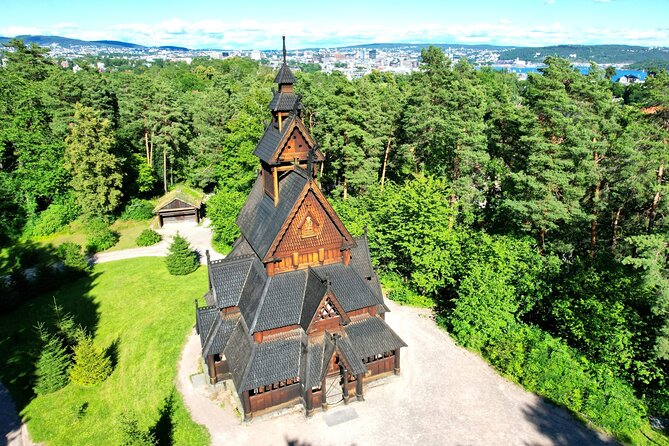
Norsk Folkemuseum gives you a quick way to understand Norway beyond its famous fjords and Viking ships. The setting shows how people lived, worked, worshiped, and made things over time. You are not limited to one period or one type of exhibit.
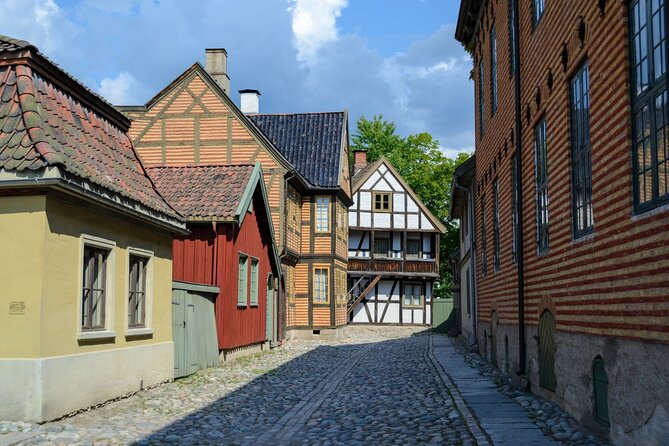
The open-air section is the heart of the visit. Historic buildings have been relocated here from different parts of the country, creating a walk through changing Norwegian traditions. You might move from an old rural structure to a church, then to displays about domestic work, clothing, woodworking, or folk art.
That variety is useful if you are new to Norway. A guide can explain why the buildings look different, how wood shaped everyday life, and how practical objects also carried artistic value. You get context that is easy to miss when you walk through the grounds alone.
I especially like this tour for visitors who want more than a quick photograph and a few labels. The guide can turn the buildings into a connected story. Instead of seeing a church as an isolated monument, you learn how it fits into Norway’s religious, architectural, and social past.
More Private Tours in Oslo
- Oslo Private Tour with a Local Guide
★ 4.5 · 234 reviews - Oslo: Private Walking Tour
★ 4.8 · 87 reviews - The Essential Oslo Private Walking Tour
★ 5.0 · 79 reviews
Meeting at Museumsveien 10
The meeting point is the main entrance at Museumsveien 10, 0287 Oslo. Your guide meets you on the left side of the entrance, so do not go inside alone while looking for the group.
This small detail matters. Large museum entrances can be confusing, especially if you arrive early and assume the tour begins beyond the doors. Keep an eye out for the guide on the left side of the main entrance and check your email the day before for any important instructions.
The museum is near public transportation, and the activity returns to the same meeting point. Since this is a walking tour, arrive ready to spend the full two hours on your feet.
Gol Stave Church and Norway’s wooden past
The visit begins with Gol Stave Church, one of the clearest reasons to book this experience. The church dates from the 13th century and is known for its wooden construction, intricate carvings, and medieval character.
Stave churches are built with upright wooden posts, and their design gives them a look unlike most stone churches elsewhere in Europe. At Gol Stave Church, the structure itself is the exhibit. You can look closely at the timber details while your guide explains what makes this style important in Norwegian architecture.
Allow about 50 minutes for this part of the visit. That does not mean you spend every minute inside the church. The time also covers the surrounding grounds and the transition into the open-air museum’s wider story.
The church can be a particularly good stop for anyone interested in architecture, religious art, or medieval Norway. It also gives the tour a strong beginning. You see an actual historic structure before moving into the museum’s broader displays of ordinary life.
One practical warning: buildings can sometimes be closed. You should not assume every structure will be open for interior visits on the day you go. That can be disappointing if you hoped to step inside several buildings, but the guide can still explain the site and lead you toward other parts of the museum.
More than 150 historic buildings to explore
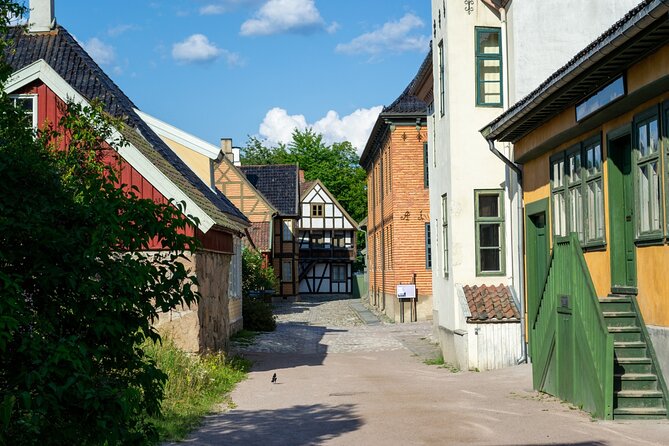
After the church, the tour moves through the museum grounds, where more than 150 historic buildings represent different eras and parts of Norwegian life. This is where the visit shifts from a single architectural treasure to a much wider picture of the country.
The buildings help show how regional design and daily routines changed over time. You may notice differences in construction, decoration, room layouts, and the way practical needs shaped the buildings. The point is not simply to count old houses. It is to see how people organized life around work, family, belief, and local materials.
A private guide is useful here because the grounds can offer more than you can absorb in a short visit. With only two hours, you need someone to choose the strongest examples and keep the walk moving. Your guide can also answer questions as they arise instead of following a fixed speech meant for a large crowd.
The pace will not suit everyone. If you enjoy reading every label or entering every open building, two hours will feel short. One guide described a visit that could easily have lasted five or six hours, while the scheduled experience is only about two. Think of this tour as an introduction, not a complete museum study.
A few more Oslo half-days to weigh up
- Oslo: Scenic Fjord Cruise with Audio Guide Commentary
★ 4.5 · 5,375 reviews - Oslo Nature Walks: Island Hopping Tour
★ 4.8 · 2,713 reviews - Oslo: 100% Electric Oslofjord Sightseeing Cruise
★ 4.4 · 2,041 reviews - Oslo: Fjord Evening Cruise with Shrimp Buffet
★ 4.5 · 1,956 reviews
Norwegian crafts, folk art, and everyday skill
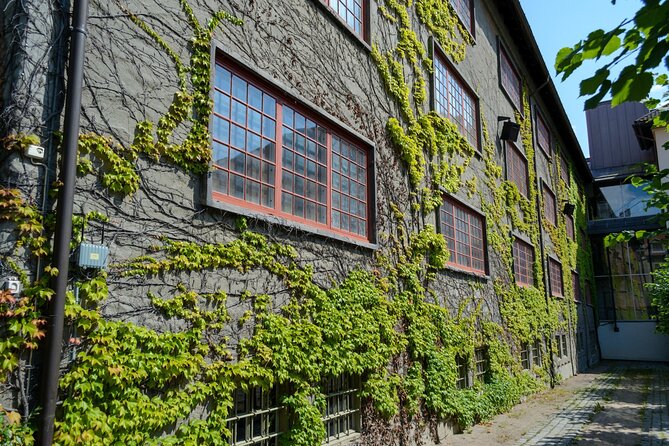
The museum also presents traditional Norwegian crafts, including textiles and woodworking. These displays help you see the skill behind objects that were once part of ordinary life.
A carved wooden item or woven textile can be attractive on its own, but the guide adds useful meaning. You can learn how craft traditions relate to work, household needs, decoration, and regional identity. The best part of this section is the link between beautiful objects and practical life.
The tour description allows the visit to be tailored to your interests. If you care most about folk art, ask the guide to spend more time with those exhibits. If you prefer architecture, religious buildings, or social history, say so at the start. A private tour earns its higher price when you use that flexibility.
Live folk music events are held at the museum at various times, but you should not treat a performance as guaranteed during your tour. The included experience is the private guided visit and museum admission, not food, drinks, or a promised concert.
A useful introduction to Sami culture
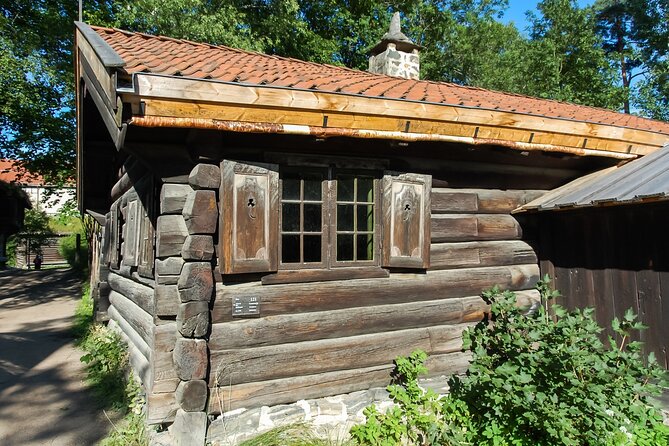
The museum has a dedicated Sami exhibit, which adds an important part of Norway’s story. The Sami are the Indigenous people of Norway, and the displays present elements of their heritage and traditions.
This section is valuable because it keeps the museum from presenting Norwegian culture as one single, uniform tradition. Norway’s past includes different communities, ways of life, and cultural practices. A guide can help you place the Sami material within the wider visit.
How much time you spend here depends on your interests and the guide’s route. If Sami culture matters to you, mention it early. A private format gives you a better chance to make that subject part of the visit rather than simply passing through.
What the private format is really worth
The tour costs $196.84 per person, which is a serious price for an experience lasting about two hours. You are paying for more than admission. The fee includes a private tour, a licensed five-star guide fluent in your selected language, pre-booked museum tickets, historical explanation, and tips for other things to do in Oslo.
For a solo visitor or a couple, that can feel expensive. The value improves if your group wants focused attention or has specific interests. Group discounts are available, but the exact savings are not provided here, so check the booking details before deciding.
I would book it if you have limited time in Oslo and want someone to organize the museum visit for you. I would be less likely to book it if you enjoy exploring museums independently, want to spend half a day here, or are mainly looking for the lowest admission cost.
The private setup also gives you a better chance to ask questions. You can ask about Vikings, Norwegian history, crafts, architecture, Sami culture, or what to see elsewhere in Oslo. The guide is also meant to provide insider tips for the rest of your visit.
Guide quality matters greatly at this price. Lisa and Mari have been praised for making the place vivid and adapting the tour to personal interests. At the same time, one poorly received visit involved a guide who seemed inexperienced, became distracted by taking personal photographs, and offered too little historical explanation. That appears to be an exception rather than the pattern, but it is a fair reminder to speak up if you need more context.
Skip-the-line access, with an important limit
Your museum ticket is booked in advance, allowing you to skip the ticket-office line. This saves a bit of time and removes one minor task from your arrival.
Do not read this as guaranteed fast passage through every entrance. You still need to pass through the museum entrance and any security checks. The ticket arrangement helps at the ticket office only.
That distinction is worth knowing because the phrase skip-the-line can sound broader than it is. The main benefit here is convenience, not a special route past every queue.
Weather, shoes, and food planning
This is an outdoor walking visit, so the weather can shape your experience. The tour runs as planned in sun and rain, and you should dress for the forecast. A cold or wet day will be harder if you arrive in light clothing and smooth shoes.
Ice can also be a problem. One winter visit became difficult because of icy paths. Wear comfortable shoes with good grip, especially if temperatures are near freezing. The museum grounds cover enough space that footwear matters more here than it would in a compact indoor gallery.
Food and drinks are not included. You can buy them at Café Arkadia near the main entrance or Piperviken Cafe in the middle of the open-air museum. If you need a meal, plan around the tour rather than expecting refreshments to be part of the booking.
Who will enjoy this Oslo museum tour
I recommend this experience most for first-time Oslo visitors who want a clear introduction to Norwegian culture. Families, couples, and small private groups can all benefit from the flexible format, particularly if different people want different parts of the museum explained.
It is also a good fit for anyone interested in wooden architecture, medieval buildings, folk art, textiles, woodworking, or Sami culture. The guide can help connect those subjects instead of leaving you to piece them together from separate displays.
You should think twice if you dislike walking, want a fully indoor activity, or plan to inspect every building in detail. The museum is large, the tour is short, and some buildings may be closed. A two-hour guided visit gives you a framework, but you may need extra time afterward for a slower look.
Most people can participate, and the museum is near public transportation. Still, the walking format and possible ice or rain make practical preparation important.
Booking, cancellation, and final advice
Confirmation is provided at booking. Free cancellation is available until 24 hours before the local start time. Cancellations or changes made less than 24 hours before the start are not refunded or accepted.
So, should you book? Book this tour if you want a focused, private introduction to Norwegian culture and value having a guide explain what you are seeing. Gol Stave Church, the relocated historic buildings, traditional crafts, and the Sami exhibit create a varied visit with plenty to discuss.
Skip it if you want a cheap museum admission, a long independent visit, or certainty that every building will be open. For most people, the smartest plan is to use the two-hour tour to get oriented, then stay longer on your own if the museum catches your interest.
FAQ
How long does the Norsk Folkemuseum private tour last?
The tour lasts approximately two hours. The Gol Stave Church portion takes about 50 minutes, followed by about one hour in Norsk Folkemuseum.
Where does the tour begin?
The meeting point is the main entrance at Museumsveien 10, 0287 Oslo, Norway. Your guide meets you on the left side of the entrance.
Does the tour end at the museum?
Yes. The activity ends back at the meeting point.
Is museum admission included?
Yes. The experience includes admission to Norsk Folkemuseum and pre-booked tickets.
Does skip-the-line mean I bypass the museum entrance?
No. The pre-booked ticket lets you skip the ticket-office line. You still need to pass through the entrance and security checks.
Is this a private tour?
Yes. Only your group participates in the activity.
What language is the tour offered in?
The tour is offered in English. The included guide is fluent in your chosen language.
Are food and drinks included?
No. Food and drinks are not included. You can purchase them at Café Arkadia by the main entrance or Piperviken Cafe in the middle of the open-air museum.
Can I cancel for a full refund?
Yes, if you cancel at least 24 hours before the experience start time. Cancellations or changes made less than 24 hours in advance are not refunded or accepted.
Just added around Oslo
- The Viking Planet Museum – Mini Group (4 adults)★ 4.0 · 16 reviews
- Oslo Winter Highlights Bike Tour★ 5.0 · 36 reviews
- 4 hours Best View of the Oslofjord Winter Edition★ 4.0 · 15 reviews
- Unknown war. Oslo and Norway during 1940-45★ 5.0 · 74 reviews
- The Ultimate Norwegian Skiing Experience★ 5.0 · 16 reviews
- The Scenic Roadtrip, Oslo to Bergen via Flam & the Fjords★ 5.0 · 25 reviews
- Fjord Houseboat Cruise in Oslo. 100 % electric. BYO★ 5.0 · 3 reviews
- 3 Hours Walking Tour for Great Food in Oslo★ 5.0 · 32 reviews
Tickets, compared.
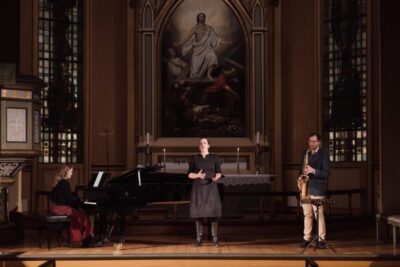
Midnight Concert Ticket at the Tromsø Cathedral
Read our review →



Troll Museum Entry Ticket with AR Media Experience
Read our review →Browse the lists this tour appears in